


One of the most beautiful views in South East London is the fallen leaves when autumn arrives. This is the moment when the air turns crisp and the threes begin their seasonal transformation, shedding leaves in a spectacular display of colors and it feels like something you want to hold onto and never let go of.
Well, there is more to this season and it’s not all about the great autumn picture. This is because most of the time, we don’t think much about the significance of the fallen leaves. In fact, we often make a point of removing them from our gardens.
In today’s article, your favorite gardeners from South East London will give you particular reasons for the importance of leaves especially in the autumn season.
Fallen Leaves as Nutrient Recycling
One of the primary benefits is nutrient recycling. As leaves decompose, they break down into organic matter. This process enriches the soil with essential nutrients like nitrogen, potassium, and phosphorus.
The fertilization process supports plant growth in the spring, creating a rich environment for new vegetation to thrive. Gardeners and farmers often take advantage of this by incorporating fallen leaves into compost piles, turning them into valuable humus for their plants.
And if you don't know much about fertilization, well we have what you need in our article here or you can learn all about gardening with our E-books.
Habitat Creation
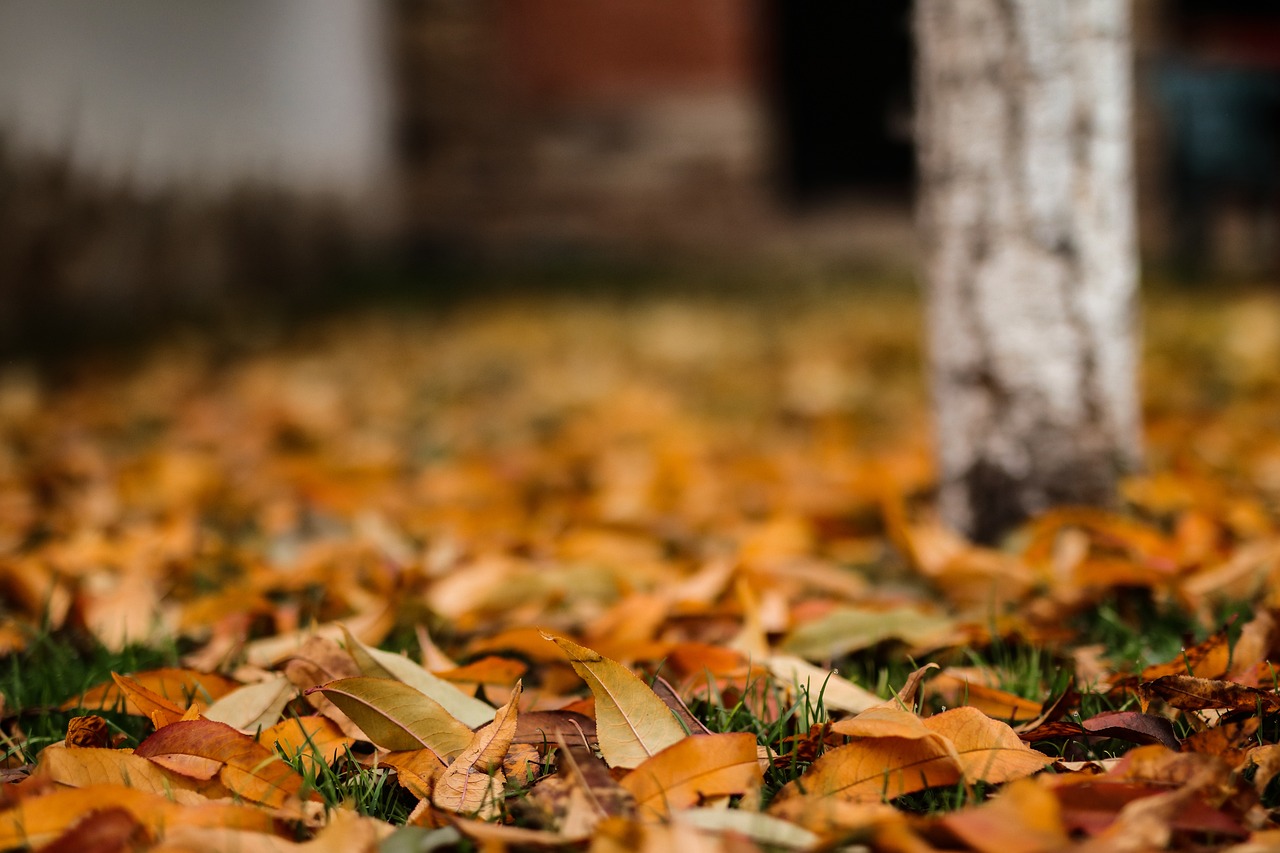
Leaf coverage creates a protective layer on the forest floor which provides habitat and shelter for various organisms. Insects, spiders, and small mammals find refuge in this leafy litter, using it as a place to hide from predators and extreme weather. Furthermore, the leaves retain moisture and create a microhabitat that is essential for fungi and decomposers.
Essential information about mushrooms and their role in nature especially in the garden, can be found in the last blog. Fungus play a crucial role in decomposition, breaking down organic waste materials like fallen leaves, twigs, old grass clippings, animal waste, buried wood, tree stumps, and decaying tree roots. In doing so, fungi help recycle essential nutrients back into the soil, thereby promoting overall plant growth.
Soil Protection
The layer of fallen leaves on the ground acts as a natural mulch, providing a host of benefits that protect and nourish the soil beneath. This protective blanket is vital for maintaining soil health and stability, particularly through the changing seasons.
Temperature Regulation
One of the key roles of this leaf coverage is moderating soil temperature. Just as a blanket insulates against cold and retains warmth, fallen leaves help to buffer the soil from extreme temperature variations. During winter, the leaves provide insulation, preventing the soil from freezing deeply, which can damage plant roots and inhibit microbial activity. In the summer, this layer helps to keep the soil cooler, protecting roots from excessive heat and reducing water evaporation.

Erosion Control
Soil erosion is a significant concern, particularly in areas with heavy rainfall or wind. The leaf coverage acts as a shield, absorbing the impact of raindrops and reducing the force of water flow over the soil surface. This prevents the dislodgment of soil particles and minimizes runoff, which can carry away the nutrient-rich topsoil. By slowing down water movement, the leaves allow more water to infiltrate the ground, enhancing soil moisture levels and reducing the risk of erosion.
Our professionals know everything about water and soil maintenance, but if you want to learn more about it, we have everything you need! Your favorite gardeners create special article for soil preparation, so go check it.
Moisture Retention
Autumn layer of leaves also plays a crucial role in maintaining soil moisture. By covering the soil, they reduce the rate of evaporation, ensuring that the ground retains moisture for longer periods. This is particularly beneficial during dry spells because it helps to keep plants hydrated and supports the activity of soil organisms that require moisture to thrive. It is essential for healthy plant growth and maintaining the soil’s overall structure and fertility.

We are 100 % sure that our help could be needed with creating a garden good enough for you and your family, so check out our planting service.
Suppressing Weeds
Another benefit of the leaf mulch is its ability to suppress weeds. They block sunlight from reaching the soil surface, inhibiting the germination and growth of weed seeds. This natural weed suppression reduces the need for chemical herbicides and manual weeding, promoting a healthier and more sustainable garden or forest floor.
Enhancing Soil Structure
As fallen leaves decompose, they contribute to the formation of humus, a stable organic matter that improves soil structure. Humus increases the soil’s ability to retain moisture and nutrients, creating a favorable environment for plant roots and beneficial microorganisms. It also enhances soil aeration and drainage, ensuring that roots have access to the oxygen they need for respiration and growth.
Your favorite Urban Gardeners keep more information about everything you want to know about your outdoor space on our blog page, so don't wait any longer and go read it!
Planting Tips
Decking & Patios, Garden Design & Landscaping
Lawn Care & Turfing
Garden Problems & Fixes, Lawn Care & Turfing
Carbon Sequestration
Trees absorb carbon dioxide from the atmosphere during photosynthesis. They store carbon in their leaves, wood, and roots. When leaves fall and decompose, some of this carbon is returned to the soil in a stable form, contributing to long-term carbon sequestration. This process helps to mitigate climate change by reducing the amount of carbon dioxide in the atmosphere, highlighting the ecological importance of fallen leaves.
Practical Uses
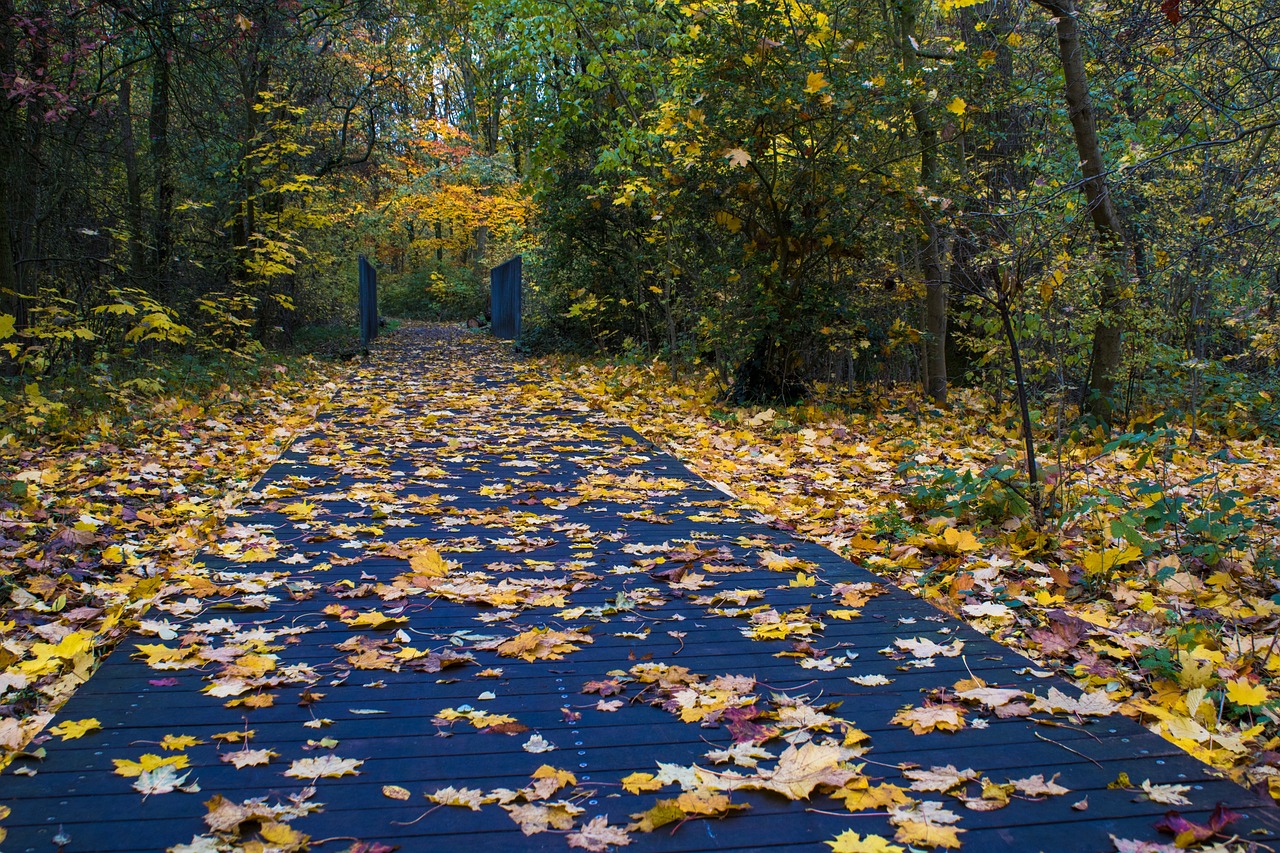
Leaf coverage has practical applications as well. They can be used as mulch in gardens, helping to suppress weeds, retain soil moisture, and provide nutrients as they break down. Leaves can also be collected and used for crafts, such as making leaf prints or decorations. In some cultures, leaves are used in traditional ceremonies and as symbols of change and renewal.
For all the beginners, don't worry! Your favorite Urban Gardeners are here to help with every process of gardening, so you can provide the best result! You can ensure by checking our Instagram page where we update all of our projects.
Conclusion
In conclusion, leaf coverage is more than just seasonal debris to be raked up and discarded. They are an integral part of the natural world, contributing to soil health, providing habitats, protecting the earth, sequestering carbon, and offering aesthetic pleasure. So next time you see a pile of leaves, take a moment to reflect on the hidden benefits they bring and consider ways to incorporate them into your garden.
But remember, that our services are in line if you need us. Let us give you more tips or just let us do all the work for you, only by sending us an email at office@urbangardeners.co.uk or calling +44 7760 8000457.

0 comments