

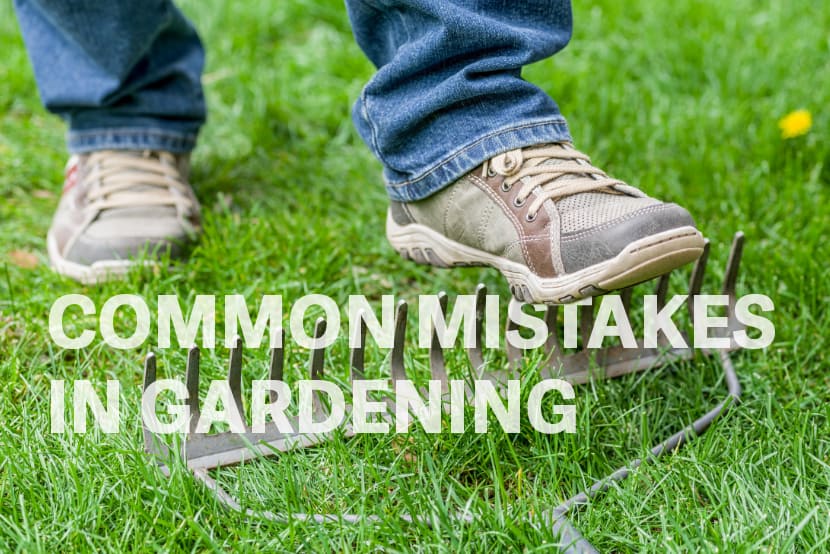
To all hobby gardeners and professionals who connect with nature, grow their plants, or create beautiful outdoor spaces, in this blog, we talk about the most common mistakes in gardening, how to listen to your flora, and avoid fails and bloopers from now on.
Your Urban Gardeners know that garden activities can be rewarding, but it’s not without its challenges. Many beginners and even experienced gardeners make mistakes that can hinder the success of their outdoor spaces. Let’s explore some of the bloopers in garden planting and how to escape from them.
1. Over or Under-Watering
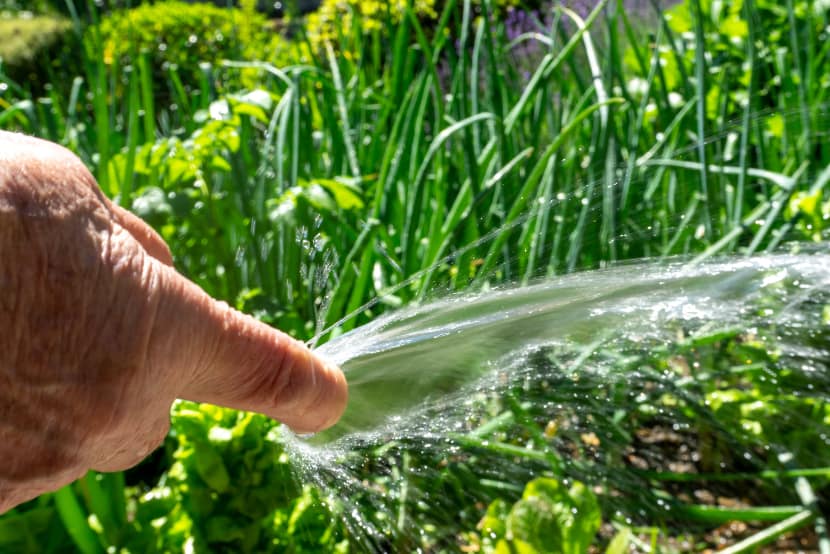
One of the most common gaffes in garden activity is improper watering. Achieving the right balance is crucial for plant health. Over-watering can drown roots, leading to root rot and diseases, while under-watering can cause stress and dehydration.
The best way to know if your plants need water is to check about an inch into the soil. If it feels dry, water the plant’s roots. But if you exaggerate with moisture, there is still a way to fix the situation. The most common signs are yellowing or browning leaves, wilting, or the soil looking green as a result of algae growth.
In this case, to help recover from overwatering, you may need to lift the plant out of the pot and allow the soil to dry in the air. In one of our previous blogs, we give you some advice and techniques on how to be prepared during one the most difficult months of the year in South East London.
2. Right Time to Planting
Planting without planning can result in overcrowded beds, uneven growth, and competition for resources among plants. Take time to design your garden layout, considering factors such as sunlight exposure, spacing requirements, and companion planting. As a gardener, you need to know how necessary it is to consider all the needs of your plants, and if you think this is a difficult mission for you, well we’re here to help you only one call away.
3. Soil health
One of the fundamental aspects of successful gardening is healthy soil. Many gardeners overlook the importance of quality, leading to poor plant growth and yield. To avoid this mistake, invest time in understanding your soil type and specific needs. Ensure that it determines good pH levels and nutrient content, and amend it with compost, organic matter, or fertilizers.
More information about soil’s needs and how to create a nutrient-rich foundation for your gardens can be found here.
4. Pests managing
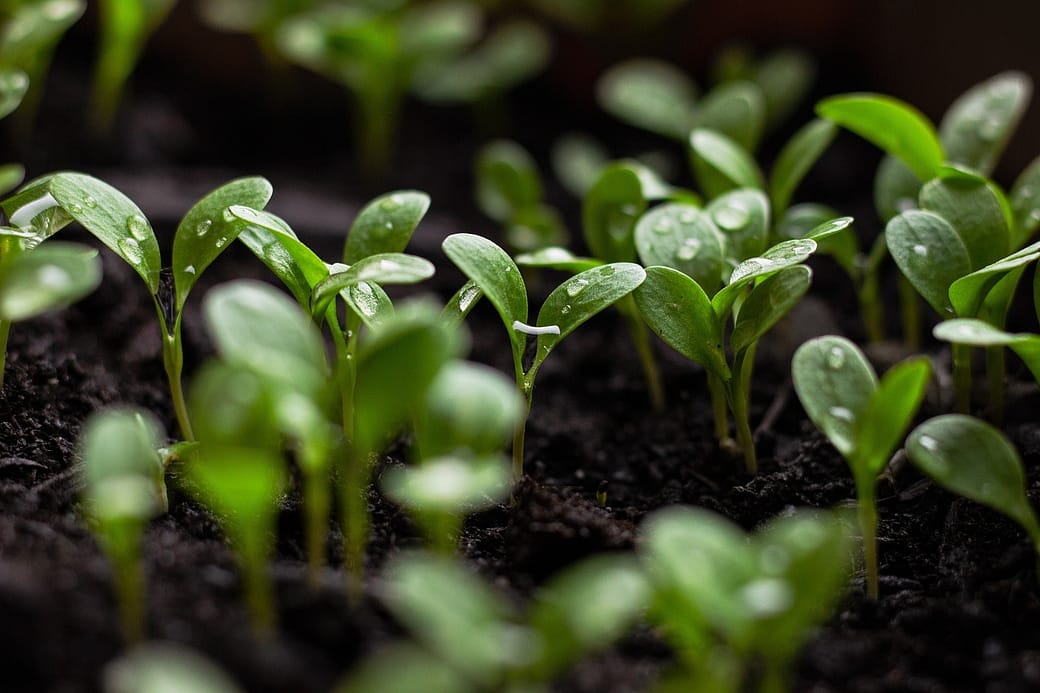
Pests and diseases can wreak havoc on your garden if left unchecked. Ignoring early signs of infestation or disease can lead to widespread damage and even the loss of your crops. By implementing integrated pest management strategies, which include methods such as crop rotation, beneficial insect attraction, and organic pesticides, you prevent signs of any damage and other problems.
5. Mulching
Mulching is often underestimated but plays a crucial role in retaining soil moisture, suppressing weeds, and regulating soil temperature. Failing to mulch can lead to increased water evaporation, weed competition, and soil erosion. Proper ways are by applying a layer of organic mulch such as straw, wood chips, or compost around your plants to conserve moisture and improve soil structure. Ensure not to pile mulch against plant stems, as this can invite pests and diseases that you don’t want to have in your outdoor space.
6. Regular Maintenance
Every garden requires regular maintenance to thrive, including tasks such as weeding, pruning, and soil cultivation. Skipping or neglecting these tasks can result in a messy and unproductive garden. Set aside time each week for maintenance activities, staying proactive in addressing issues as they arise. Probably this is mission impossible and the team of Urban Gardeners knows that, and because we already know it, don’t waste any more time and just give us a call. Our service “Garden maintenance” is the right choice for you.
7. Plants support
Many gardeners overlook the need for support structures for plants such as tomatoes, peas, and cucumbers. Neglecting to provide adequate support can result in sprawling growth, broken stems, and reduced yields. Developing an understanding of plant growth will be key to ensuring maximum success in gardening. Before planning to plant search how tall, vining, and climbing plants you want in your outdoor space and consider those who already are part of your garden.
Install trellises, stakes, or cages early in the growing season to support them. This not only prevents damage but also improves air circulation and sunlight exposure, promoting healthier growth.
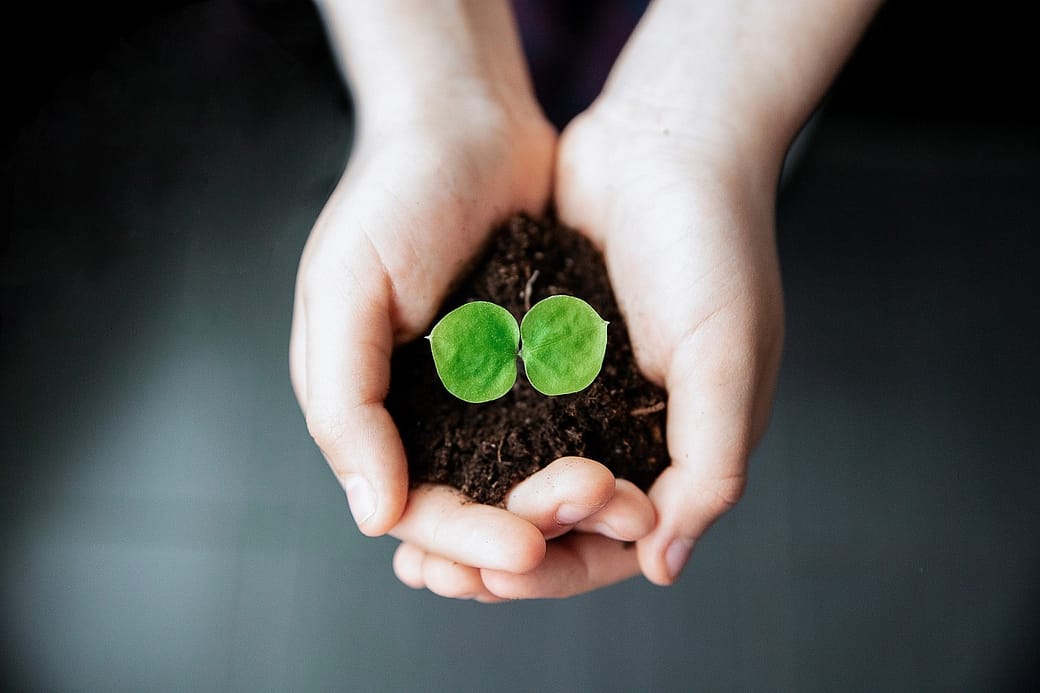
By avoiding these common gardening mistakes and adopting proactive practices, you can set your garden to the next level of success and enjoy a bountiful harvest season after season.
Remember that gardening is a continuous learning process, so if you think that is a too difficult task for you, we are here for more information on our Facebook page - Urban Gardeners South East London, by email - office@urbangardeners.co.uk, or just call us - +44 7760 800457.

0 comments