

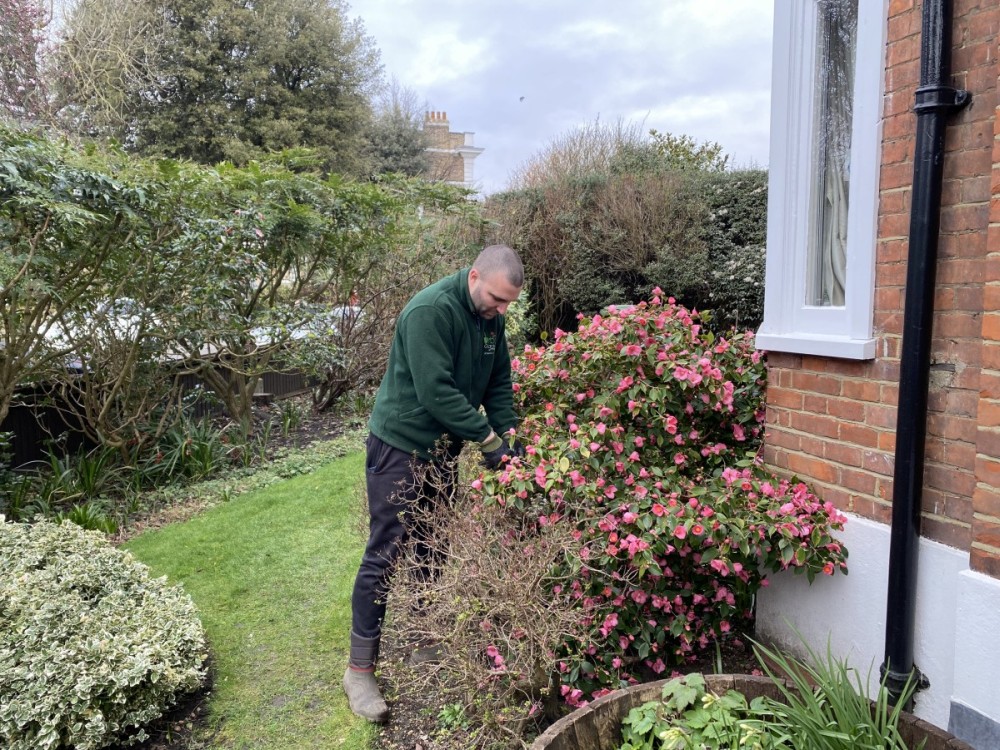
Preparing Gardens in Abbey Wood SE2 for the Winter Season is crucial to ensure that your outdoor space remains healthy, vibrant, and ready to thrive when spring arrives. As the winter months approach, gardens in Abbey Wood SE2 require essential preparation to ensure they thrive through the cold season. A well-prepared garden will not only withstand the harsh winter conditions but also emerge in spring healthier and ready for growth. From pruning trees to protecting delicate roses and shrubs, it’s important to take specific steps to protect your garden’s natural beauty and structure.
In this article, we will explore how to prepare your garden for winter, focusing on the key tasks, such as tree pruning, rose care, and managing shrubs, to ensure your garden remains strong and vibrant through the colder months.
The Importance of Winter Garden Preparation
The transition from autumn to winter is a crucial time for any garden, particularly in areas like Abbey Wood SE2, where the climate can vary significantly. Preparing your garden for winter is about giving it the best chance to survive and thrive. When we take action in autumn, we allow plants to conserve their energy, safeguard roots, and prevent unnecessary damage from frost, wind, or snow. By performing essential tasks such as pruning, mulching, and covering vulnerable plants, we significantly improve the garden’s overall health and its performance in the upcoming growing season.
Pruning Trees for Winter Protection
One of the most critical tasks when preparing the garden for winter is pruning trees. Correct pruning ensures that trees maintain their structure and are less vulnerable to winter storms and heavy snow.
Why Prune Trees in Autumn?
During the autumn months, trees begin to enter a dormant phase, making it an ideal time to prune. Pruning at this stage helps to remove dead or diseased branches that might break during the winter, preventing possible damage to the tree or surrounding areas. It also allows us to shape the tree, ensuring that it remains strong and balanced.
Steps to Properly Prune Trees in Abbey Wood SE2:
1. Inspect for Damage: Begin by inspecting your trees for any branches that are broken, diseased, or dead. These branches should be removed first, as they are more susceptible to winter damage.
2. Remove Crossing Branches: Branches that cross or rub against each other can create wounds that invite disease. Cut them back to ensure the tree remains healthy and free of infection.
Preparing Gardens in Abbey Wood SE2 for the Winter Season
3. Thin the Canopy: Pruning away some of the interior branches helps to reduce the wind resistance of the tree, which is especially important during winter storms. This also improves air circulation, reducing the risk of fungal infections.
4. Make Clean Cuts: Always use sharp, clean tools to ensure the cuts are smooth and won’t harm the tree. Avoid leaving stubs, as these can become entry points for pests and diseases.
Best Time for Pruning
The best time for tree pruning in Abbey Wood SE2 is late autumn, after the trees have lost their leaves. This makes it easier to see the tree’s structure and determine which branches need attention. Pruning in this dormant phase also reduces stress on the tree, giving it time to heal before the new growth season begins in spring.
Caring for Roses Before Winter Sets In
Roses are a highlight of many gardens in Abbey Wood SE2, but they require special attention before the onset of winter. Roses are particularly vulnerable to frost damage, and without proper care, their delicate branches can suffer in the cold.
Pruning Roses for Winter
Pruning roses in autumn is a necessary step to ensure they survive the winter and bloom beautifully in spring. However, unlike trees, roses should be pruned with more delicacy.
Preparing Gardens in Abbey Wood SE2 for the Winter Season
How to Prune Roses for Winter:
1. Remove Dead and Diseased Canes: Begin by cutting away any dead, damaged, or diseased canes. These can harbor pests or diseases that can weaken the plant.
2. Cut Back to Promote Strength: Prune the remaining healthy canes by cutting them back to about one-third of their length. This helps prevent wind damage and reduces the risk of frost breaking the stems.
3. Shape the Bush: While heavy pruning is best saved for spring, it’s important to give the rose bush a tidy shape to ensure that no branches cross over each other or grow in awkward directions.
Protecting Roses from Frost
After pruning, we recommend adding a layer of mulch around the base of the rose bushes. This helps to insulate the roots from the cold. In particularly harsh winters, it’s also advisable to cover the rose bushes with burlap or horticultural fleece to offer additional protection from frost and snow.
Shrubs: Trimming and Protection
Shrubs are another key feature of many gardens in Abbey Wood SE2, and just like trees and roses, they need attention before winter sets in. Pruning shrubs in autumn encourages healthy growth in spring while also protecting them from winter damage.
Pruning Shrubs for Optimal Growth
When pruning shrubs, the goal is to maintain a shape that allows good airflow and sunlight penetration. This is important for reducing disease risk and helping the shrub stay strong through the winter.
Steps to Properly Prune Shrubs:
1. Focus on Damaged Branches: Like trees, the first step in pruning shrubs is to remove any damaged, diseased, or dead branches. These can weaken the plant and make it more susceptible to cold weather damage.
2. Thin Out Dense Areas: Thinning the interior branches helps reduce the risk of snow buildup and ensures that the plant can handle wind without sustaining damage.
3. Shaping: Lightly shaping the shrub helps maintain its form and prevents any wayward branches from being broken by wind or snow.
Winter Protection for Shrubs
Some shrubs are more cold-sensitive than others, so it’s essential to know which species in your garden need extra care. For particularly vulnerable shrubs, adding a layer of mulch at their base can protect the roots from freezing temperatures. In addition, wrapping the shrub in burlap can shield it from the worst of the winter weather.
Preparing Gardens in Abbey Wood SE2 for the Winter Season
Other Essential Winter Garden Preparation Tasks
While pruning and protecting trees, roses, and shrubs are key steps in preparing gardens in Abbey Wood SE2 for winter, there are other important tasks to consider to ensure your garden thrives.
Clearing Fallen Leaves
Raking up fallen leaves not only keeps the garden looking tidy, but it also prevents the spread of fungal diseases. Wet, decaying leaves can create ideal conditions for mold, which can spread to your plants. Composting these leaves can also provide valuable organic matter to use in the garden in the following growing season.
Mulching for Insulation
Mulching is one of the best ways to protect plants’ roots from freezing temperatures. Apply a thick layer of organic mulch, such as bark chips or compost, around the base of your plants to insulate the soil and help retain moisture.
Wrapping Delicate Plants
For particularly delicate or young plants, wrapping them in horticultural fleece or using a cold frame can help shield them from frost, cold winds, and snow. This is especially important for plants that are not native to the Abbey Wood SE2 climate and might struggle with harsher winter conditions.
Conclusion
Preparing your garden for the winter months is essential for ensuring that it remains healthy and beautiful for the coming spring. By taking the time to prune trees, care for roses, trim shrubs, and perform other essential maintenance tasks, you can protect your garden from the worst of the winter weather and give it the best chance of flourishing in the new year.

0 comments