

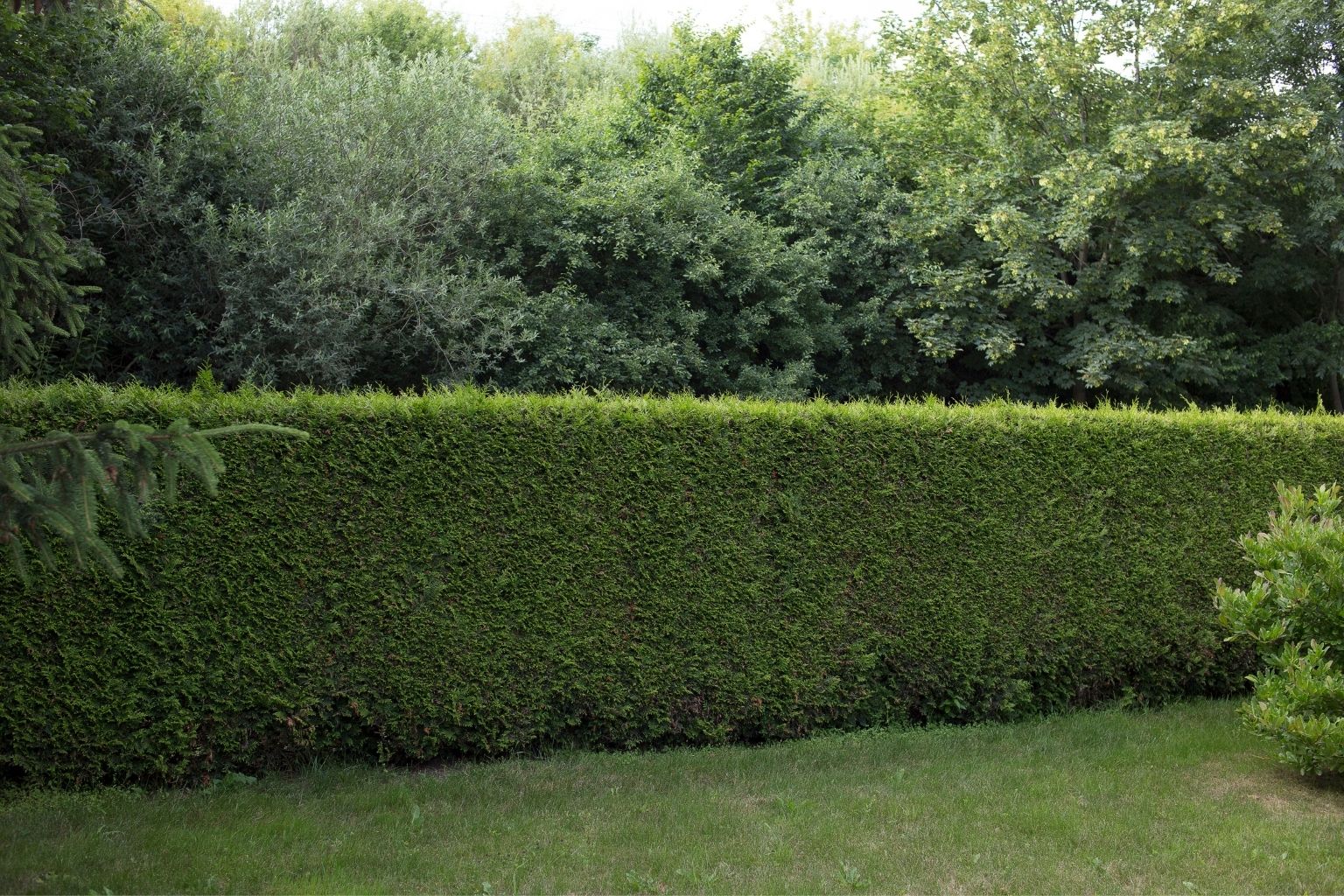
If you can see your neighbours from your garden, they can see you. That is the reality for most homeowners across South East London, where terraced houses, closely built semis and new-build estates leave outdoor spaces feeling permanently overlooked.
Fences help, but in a rear garden you are limited to 2 metres without planning permission, and that is rarely enough to block sightlines from first-floor windows. Trees and hedges can go higher, grow denser and look far better than an extra panel of timber bolted to the top of your fence.
The challenge in SE London is that most gardens are small, the soil is heavy clay, many plots are partly shaded, and whatever you plant needs to earn its place without taking over. This guide covers the trees, hedges and screening plants that actually work in these conditions, based on what we see performing well in gardens across Greenwich, Lewisham, Bromley, Eltham and Blackheath.
Not sure what to plant? Skip the guide. Tell us what you are trying to screen and we will recommend the right option for your garden, with a quote included. No obligation.
Before You Plant: What You Need to Know About Your Garden
Picking the wrong plant for your conditions is the most expensive mistake you can make. A hedge that needs full sun planted in a north-facing garden will thin out and leave gaps. A tree with aggressive roots planted too close to your house can cause subsidence, especially on SE London's shrinkable clay. Before choosing anything, assess these three things.
Soil type. Most of South East London sits on London clay. This soil is heavy, slow to drain in winter and cracks in dry summers. It is fertile, but not all plants enjoy sitting in wet clay over winter. The species listed below all tolerate or actively thrive in clay. If your garden has poor drainage, read our guide on dealing with poor drainage in SE London before planting, because waterlogged soil will kill even the toughest hedge.
Light levels. Work out which direction your garden faces. South-facing gardens get the most sun. North-facing gardens are shaded for most of the day, particularly in winter. East-facing gardens get morning sun, west-facing gets afternoon sun. This matters because some screening plants need full sun to stay dense, while others are perfectly happy in shade.
Available space. In a small garden, every centimetre counts. A laurel hedge needs at least 60cm of width when mature. A Leylandii hedge that is not maintained will swallow a metre or more of your plot each side. If space is tight, look at columnar trees, pleached trees on clear stems, or climbers on trellis rather than a traditional hedge.
Best Evergreen Hedging Plants for SE London Gardens
Evergreen hedges give year-round privacy. These are the species that perform best on London clay in the conditions typical of SE London gardens.
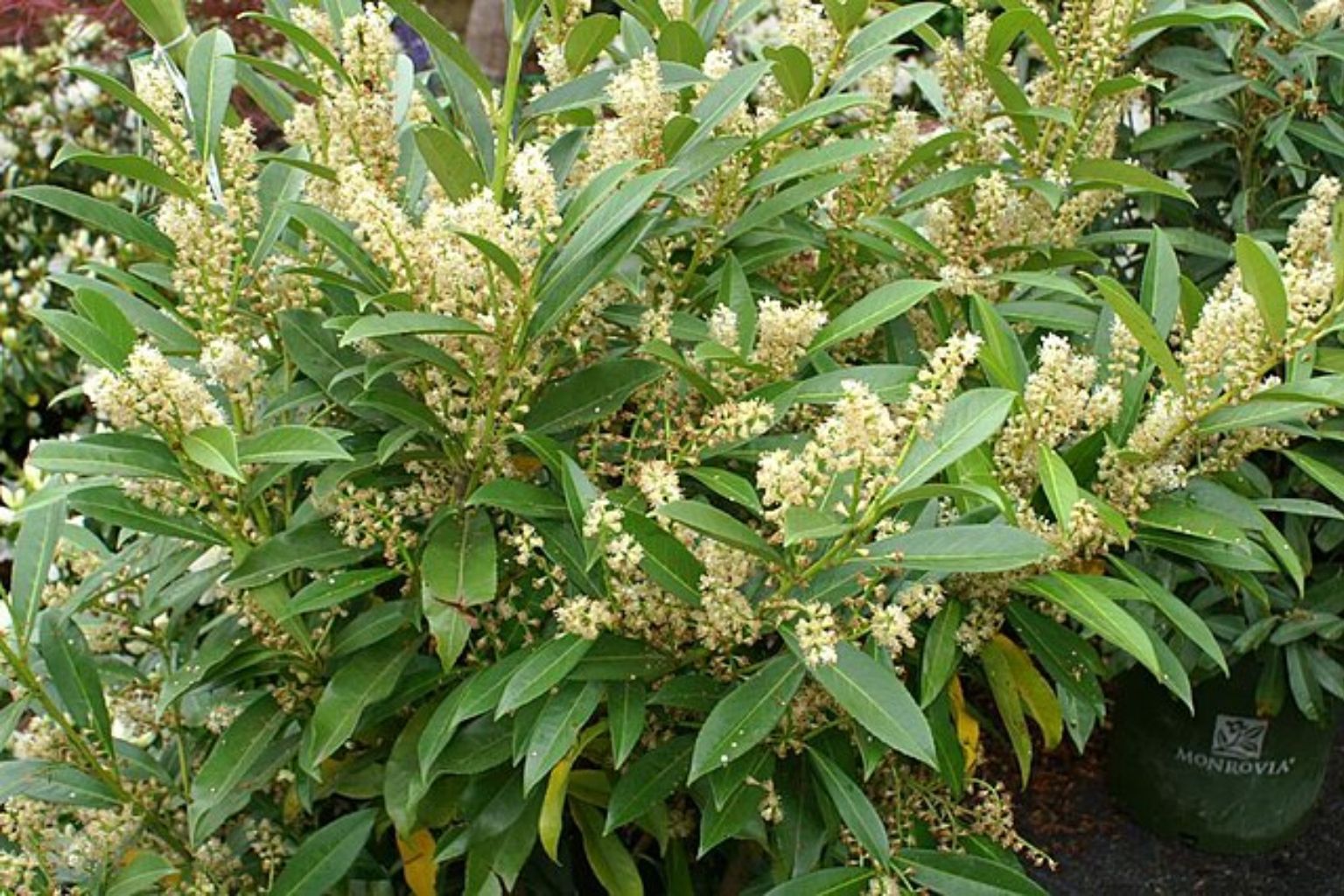
Cherry Laurel (Prunus laurocerasus)
This is the most popular privacy hedge in South East London for good reason. It grows fast (30-60cm per year), has large glossy leaves that create a thick screen, tolerates clay soil, handles shade well and can be kept at whatever height you need with one or two trims per year. It also produces small white flowers in spring that attract pollinators.
The main downside is width. A mature laurel hedge needs around 60-90cm of depth, which is significant in a small garden. If space is very tight, consider narrower varieties such as 'Caucasica' or 'Novita' which stay slimmer.
Best for: Most SE London gardens. Works in sun or shade, handles clay, fast-growing, low maintenance.
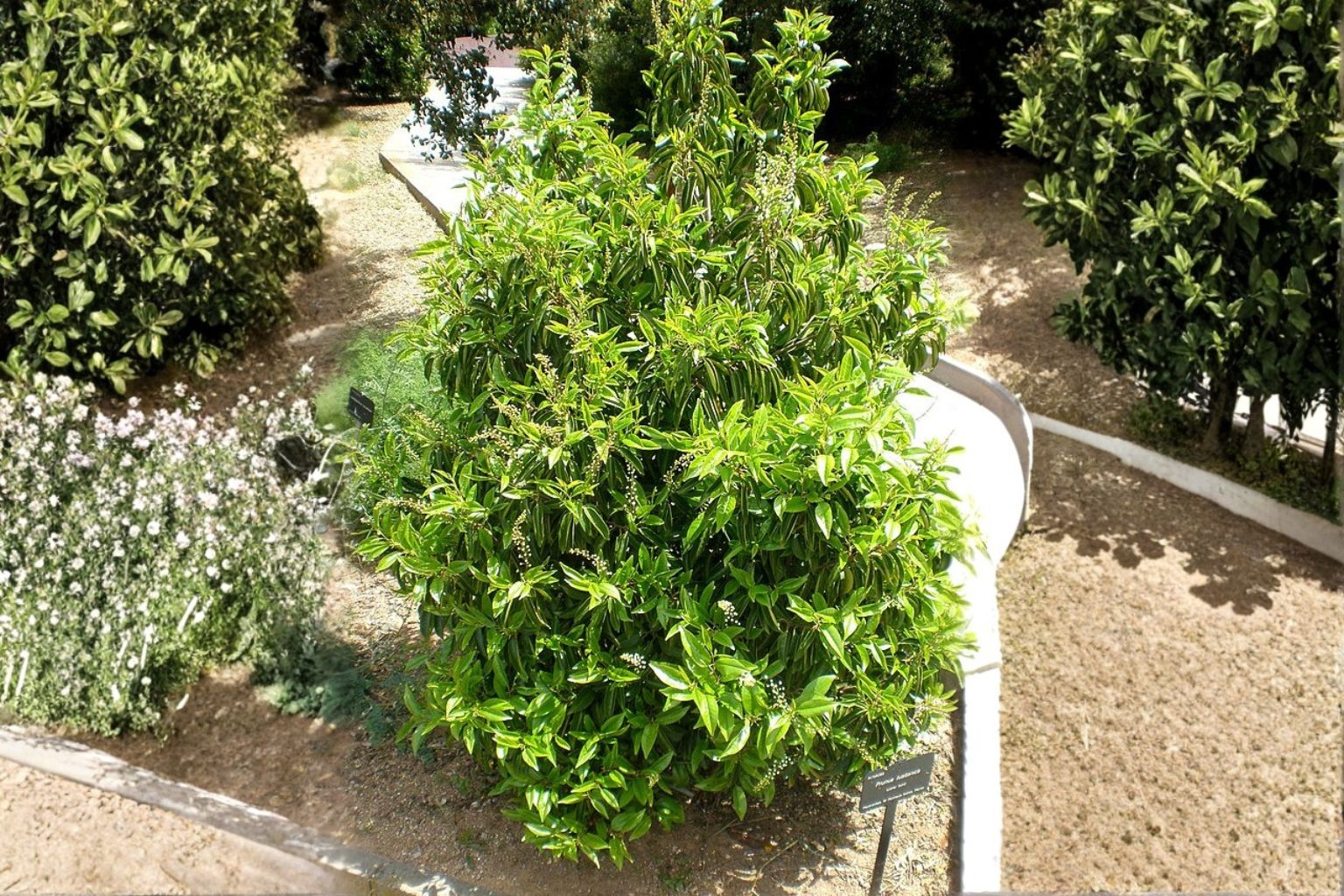
Portuguese Laurel (Prunus lusitanica)
A more elegant alternative to cherry laurel. Portuguese laurel has smaller, darker leaves on red stems, giving it a more refined look. It grows slightly slower than cherry laurel but stays narrower, making it better suited to smaller gardens. It handles clay soil well and tolerates both sun and partial shade.
Portuguese laurel can also be grown as a standard tree (a clear trunk with a ball of foliage on top), which is a smart option if you want to screen upper-floor windows without losing ground-level space.
Best for: Smaller gardens where width is limited. Slightly more formal appearance than cherry laurel.
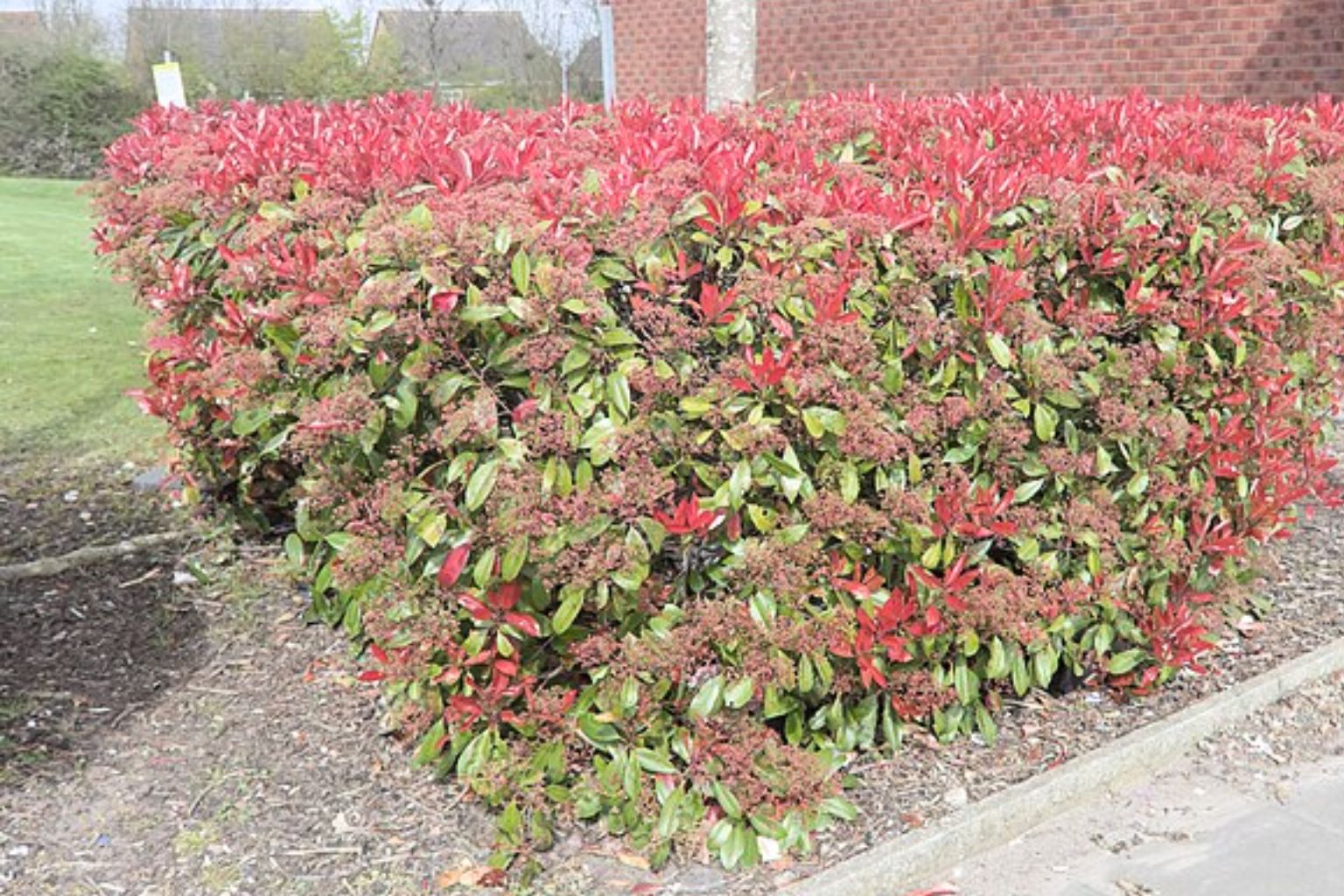
Photinia 'Red Robin'
Photinia is popular for its striking red new growth in spring, which gradually turns dark green. It creates a dense, colourful hedge that provides good screening once established. It handles clay reasonably well but prefers a spot with decent drainage and at least partial sun. In heavy shade, the red colour fades and growth becomes leggy.
One thing to watch: photinia can suffer from leaf spot in damp conditions, which is common in shaded SE London gardens. If your garden is north-facing and stays damp, laurel is a safer choice.
Best for: Sunny or partially shaded gardens where you want colour and screening combined.
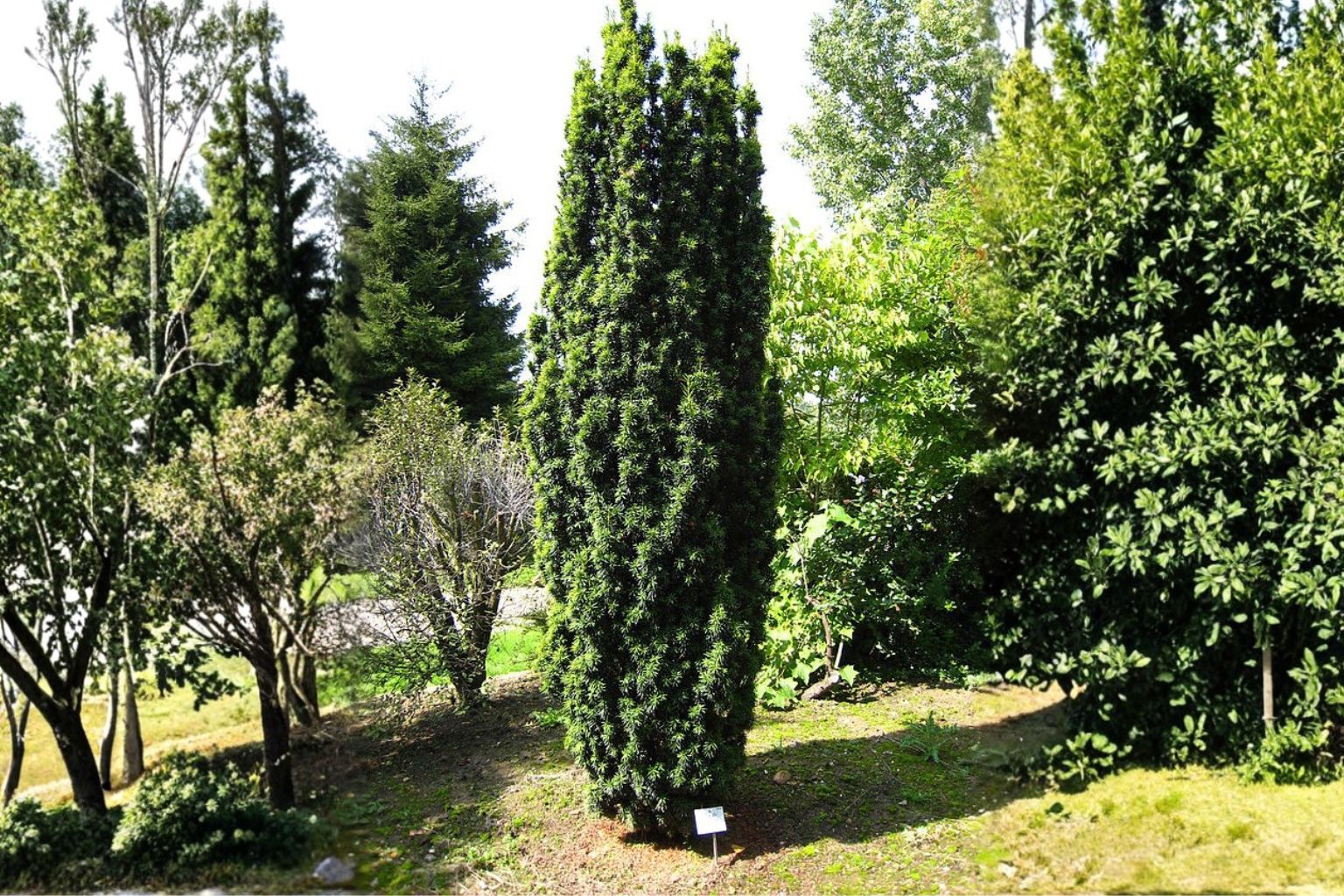
Yew (Taxus baccata)
Yew is the classic English hedging plant. It is dense, formal-looking, extremely long-lived and tolerates hard pruning, meaning you can keep it tight and narrow. It grows on clay provided drainage is reasonable - avoid waterlogged or boggy spots, which are common in north-facing SE London gardens. It handles shade and requires very little maintenance once established.
The downside is speed. Yew only grows around 20-30cm per year, so it takes longer to reach full screening height. If you need privacy quickly, yew is not the answer unless you buy semi-mature plants, which are significantly more expensive.
Best for: Patient gardeners who want a formal, dense, long-lasting hedge. Excellent in shade.
Important note: Yew berries and foliage are toxic to humans and animals. If you have young children or dogs, consider a different species.
Best Trees for Privacy in Small SE London Gardens
Sometimes a hedge is not the right solution. If you need to screen a specific window, add height above an existing fence, or create privacy without giving up ground-level planting space, a tree may be the better option.
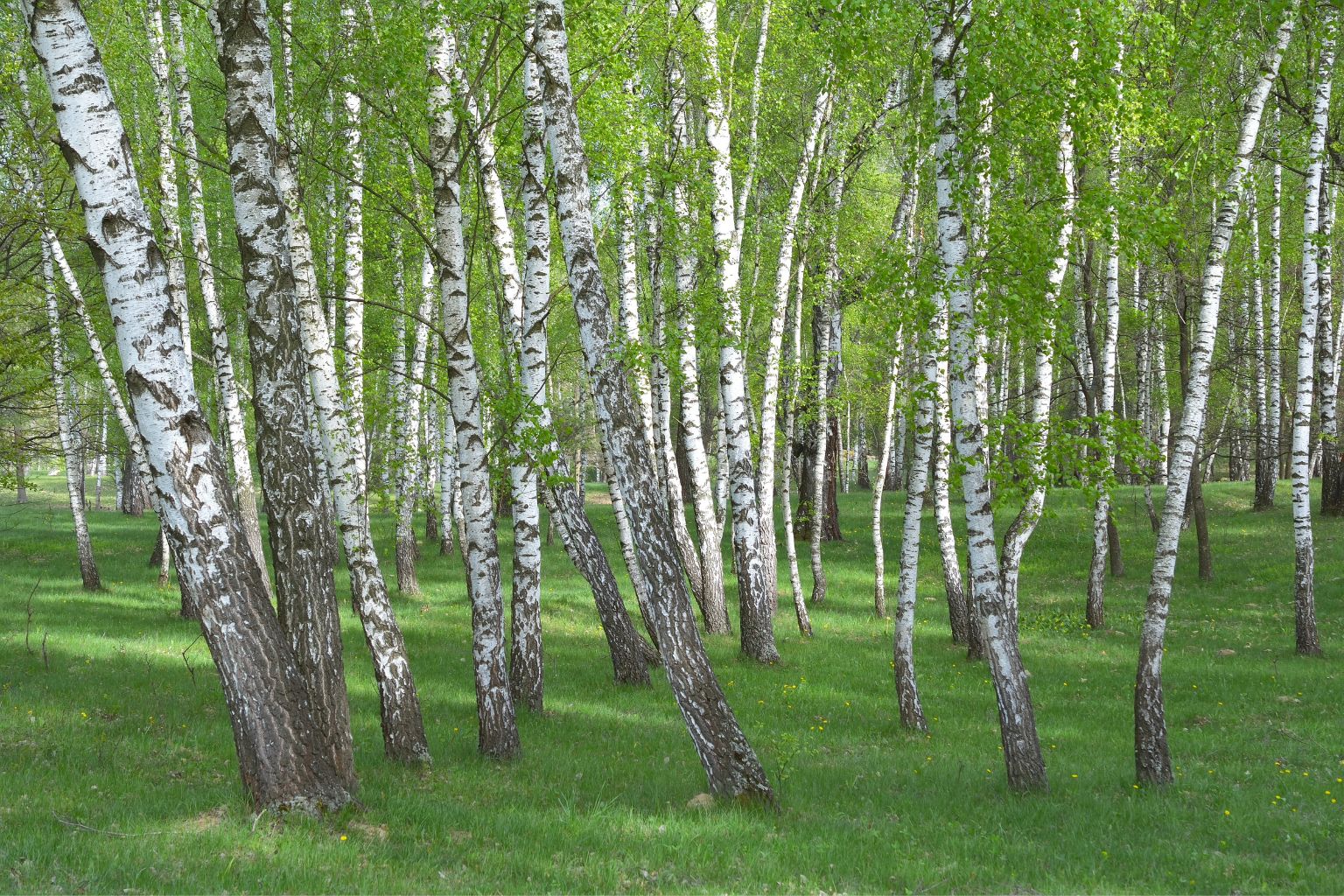
Multi-stemmed Silver Birch (Betula pendula)
A group of three silver birches planted closely together creates a beautiful, semi-transparent screen that filters views without making the garden feel dark or enclosed. The white bark adds winter interest, and the light canopy allows underplanting. Silver birch prefers lighter, well-drained soils and will establish more slowly on heavy London clay - avoid any spot that holds water over winter.
This is a particularly good option for gardens that back onto other properties, which is most terraced gardens across Eltham, Lee, Blackheath and Lewisham. The staggered canopy softens views without creating a solid wall of green.
Best for: Mid-sized gardens where you want screening with a light, natural feel.
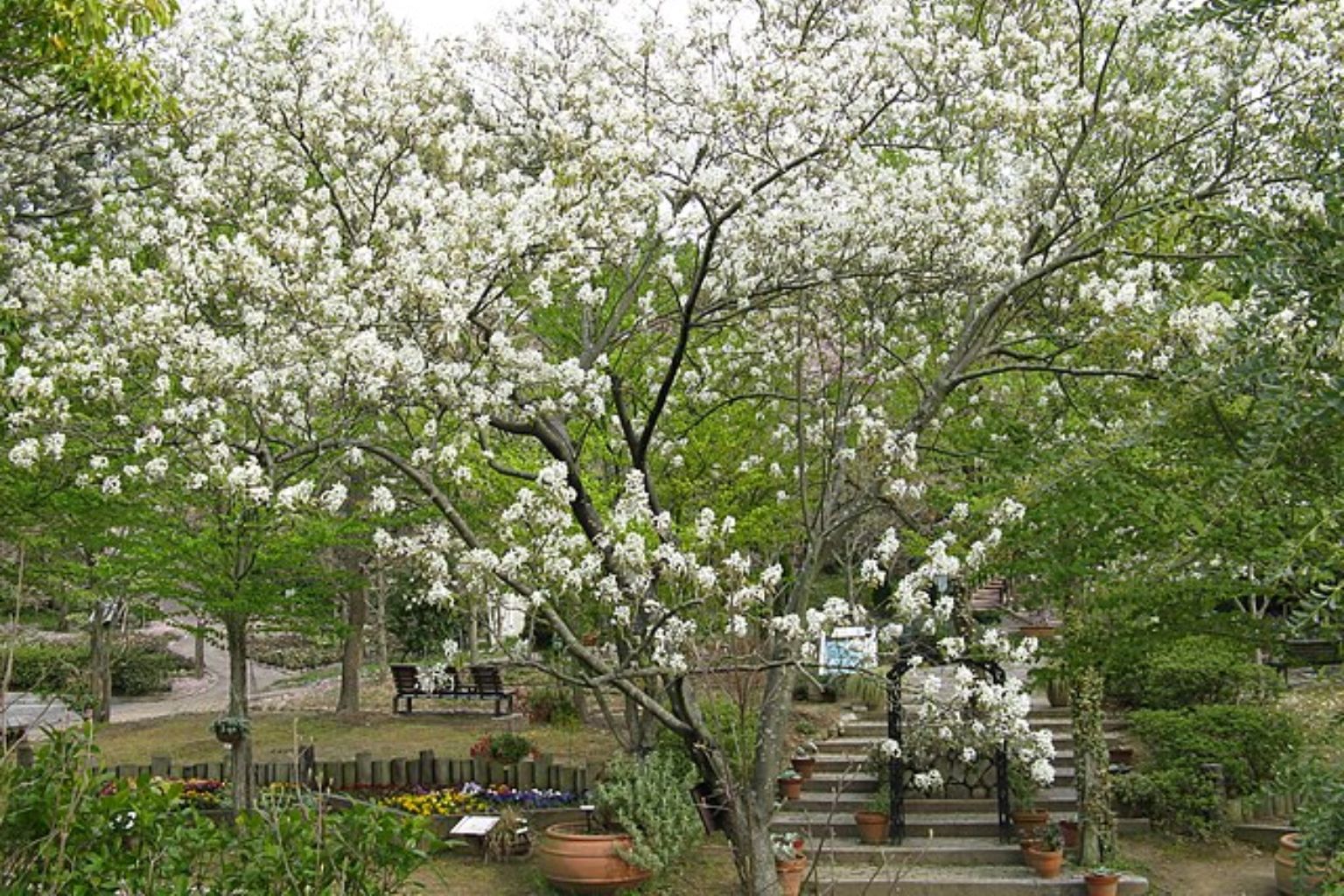
Amelanchier (Amelanchier lamarckii)
Amelanchier is one of the best small trees for London gardens. It has white blossom in spring, attractive coppery new foliage, good autumn colour and a neat shape. It grows to around 4-6 metres, handles clay and tolerates partial shade.
As a screening tree, amelanchier works best when planted as a multi-stemmed specimen. The branching creates a natural screen from spring through autumn. In winter it is bare, so it will not provide year-round privacy, but for seasonal use it is hard to beat.
Best for: Small to medium gardens. Seasonal screening with year-round beauty.
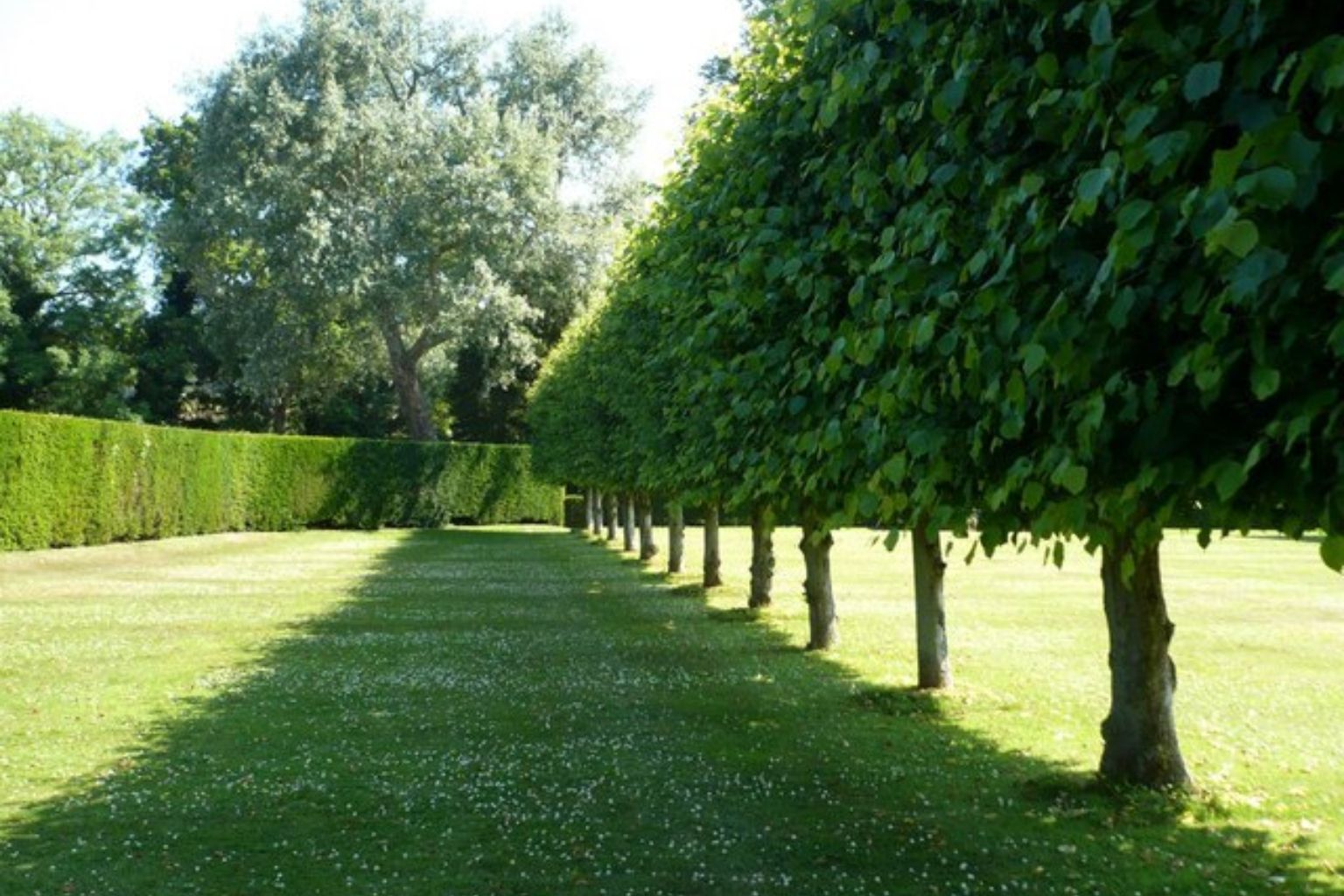
Pleached Trees
Pleaching is a technique where trees are trained on a frame so they form a flat, raised hedge on clear stems. The result is a wall of foliage at head height and above, with open space below for underplanting or access.
Pleached hornbeam (Carpinus betulus) and pleached photinia are both excellent choices for SE London. Hornbeam retains its brown leaves through winter, so even though it is technically deciduous, it still provides a good level of screening year-round. Pleached photinia stays evergreen.
Pleached trees are one of the best solutions for small gardens because they provide height without width. They are more expensive to buy (expect to pay £80-£150 per tree for semi-mature specimens) and need annual trimming to maintain the shape, but the result is clean, architectural and space-efficient.
Best for: Small gardens where ground space is at a premium. Screening above fence height without losing the garden below.
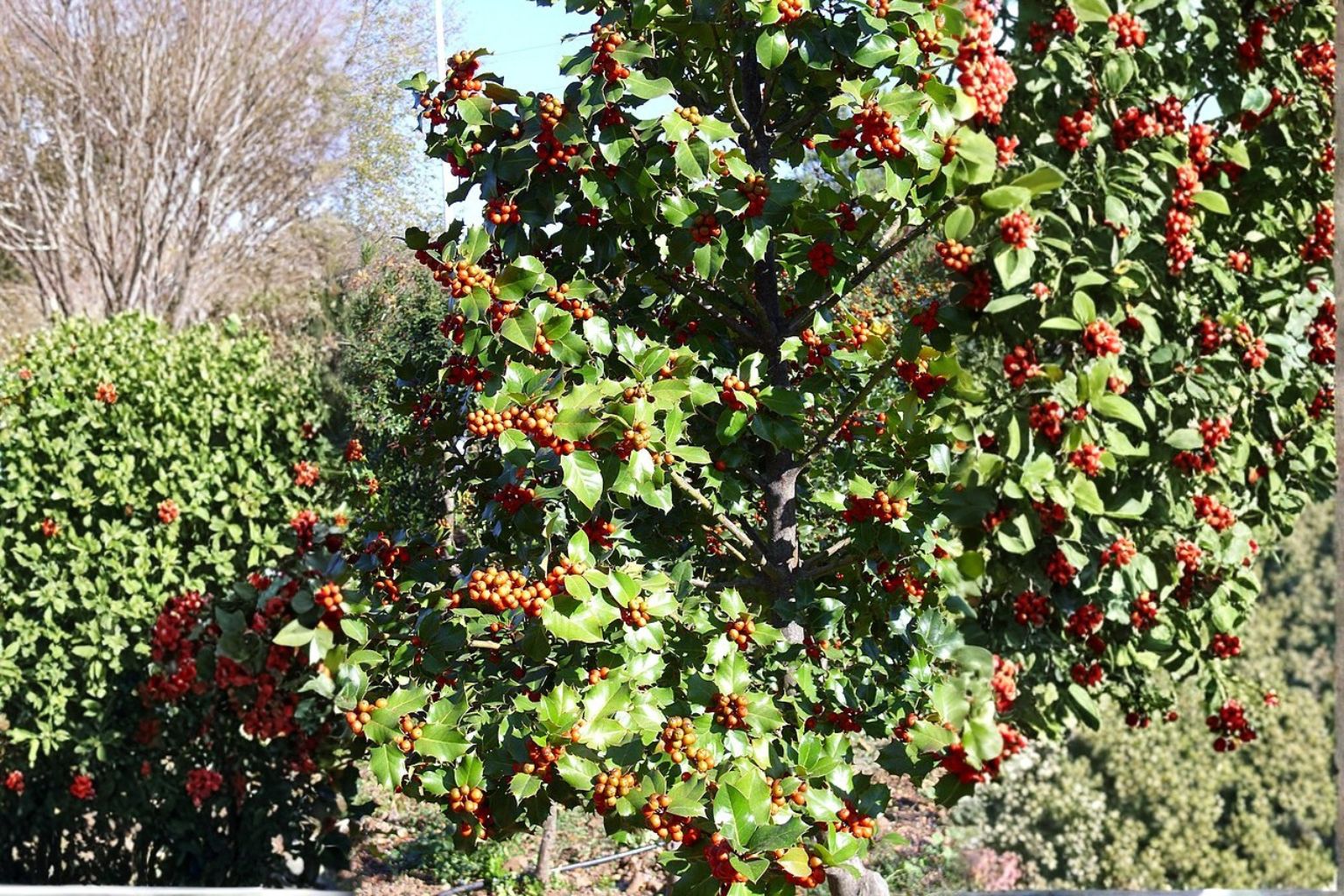
Holly (Ilex aquifolium)
Native holly is dense, evergreen, tolerates heavy shade and clay soil, and provides excellent year-round screening. It also supports wildlife. A holly tree can be kept compact with annual pruning or allowed to grow into a substantial screening tree.
Holly is slow-growing, like yew, so buy the largest specimens you can afford if you need quick results. It is also spiny, which makes pruning less pleasant but adds a security benefit along boundaries. If you have an existing tree along your boundary that is looking unhealthy or failing to provide the screening it once did, our guide on identifying signs of a dying tree can help you decide whether to save it or replace it with something better suited.
Best for: Shaded gardens, boundary screening, wildlife-friendly planting.
Screening Solutions for Very Small Gardens
If your garden is under 30 square metres, which covers a large number of rear gardens attached to SE London flats and maisonettes, full-sized hedges and trees may be impractical. Here are alternatives that provide privacy without eating into your usable space.
Climbers on trellis. Fix 30-60cm trellis panels on top of your existing fence to add height, then plant a climber at the base. Star jasmine (Trachelospermum jasminoides) is evergreen in most winters, fragrant and manageable. Ivy is evergreen and fast but needs regular control. Clematis armandii is evergreen with spring blossom. This approach takes up almost no ground space.
Bamboo in planters. Bamboo in large containers gives fast, dense screening without the risk of it spreading into your neighbours' gardens (which running bamboo absolutely will if planted directly in the ground). Phyllostachys or Fargesia varieties work well. Use large, heavy planters and keep them watered.
Tall ornamental grasses. Miscanthus and Calamagrostis grow to around 1.2-1.5 metres and create a soft, natural screen that moves in the breeze. They die back in winter, so they are seasonal rather than year-round, but they take up minimal ground space and look far more interesting than another fence panel.
For advice on what would work best in your specific garden, our team can visit and recommend the right approach. Book a consultation or call us on 07760 800 457.
Legal Considerations You Should Know About
Before planting anything tall along your boundary, there are a few rules worth understanding.
Fence height limits. Rear garden fences are limited to 2 metres without planning permission. Front boundary fences and walls are limited to 1 metre. However, these limits apply to fences and walls, not to hedges and trees.
The High Hedges Act (2005). If you plant an evergreen hedge that grows over 2 metres and your neighbour complains, the local council (Lewisham, Greenwich, Bromley, Bexley) can issue a notice requiring you to reduce its height. This applies specifically to a line of two or more evergreen or semi-evergreen trees or shrubs. Keep your hedge well-maintained and at a reasonable height and this should never be an issue.
Tree roots and subsidence. London clay shrinks when it dries out. Large trees with extensive root systems can accelerate this shrinkage, potentially affecting foundations. As a general rule, do not plant a tree closer to a building than its expected mature height. For a tree that will reach 6 metres, keep it at least 6 metres from the house. Our team can advise on safe planting distances for your specific situation.
Conservation areas. Some parts of SE London fall within conservation areas (parts of Blackheath, Greenwich, Dulwich, Eltham). In these areas, you may need to notify the council before carrying out work on existing trees. Check with your borough before removing or heavily pruning any established tree.
How Much Does Privacy Planting Cost?
Costs vary depending on what you plant, the size of the plants and whether you install them yourself or hire a professional. Here are rough guides for a typical SE London garden.
| Option | Estimated Cost (supplied and planted) |
|---|---|
| Cherry laurel hedge (5m run, 60-80cm plants) | Starting £480 |
| Portuguese laurel hedge (5m run, 60-80cm plants) | Starting £480 |
| Pleached hornbeam (3 trees, semi-mature) | Starting £480 |
| Multi-stemmed silver birch (1 specimen, 2-3m) | Starting £480 |
| Trellis + climber (per 2m panel, installed) | Starting £480 |
| Photinia 'Red Robin' hedge (5m run) | Starting £480 |
These estimates include plants, soil preparation, planting and any supports needed. For an accurate quote based on your garden, send us photos or measurements and we will price it up.
Not sure which option fits your garden and budget? Send us a few photos and your garden dimensions and we will give you an exact quote within 24 hours. No obligation, no hard sell - just honest advice from local gardeners who know SE London.
Get a Free Quote | Call 07760 800 457
What SE London Homeowners Say About Us
"They cleared our very overgrown back garden in an afternoon. They did an amazing job, we are so pleased and can now enjoy our garden again."
- Charlotte N., SE London
"Completely transforming our garden in 3 days. They cleared the garden, removed trees, built a fence and laid a new lawn. Lovely to work with, speedy, thorough, tidy and prompt!"
- Maleha K., SE London
"They laid decking and new turf across 2 days. Communication was good and I will be recommending them to friends."
- Claire E., SE London
Common Mistakes to Avoid
Planting Leylandii in a small garden. Leylandii is fast-growing and cheap, which is why people plant it. But it is also aggressive, grows up to a metre per year, and becomes a nightmare to control. In a small SE London garden, Leylandii will outgrow its space within a few years and is one of the most common causes of neighbour disputes. Laurel or yew will give you the same privacy with far less trouble.
Not preparing the soil. Heavy clay soil needs organic matter worked in before planting. Digging a hole and dropping a plant into stiff clay is a recipe for poor root development and slow growth. Proper soil preparation makes the difference between a hedge that establishes quickly and one that struggles for years.
Underestimating mature width. A cherry laurel hedge that looks slim when planted will reach 60-90cm wide within a few years. In a garden that is only 4 metres deep, that is a significant amount of space. Always check the mature dimensions before committing, and choose narrower alternatives if space is tight.
Planting too close to the boundary. Plant the centre of your hedge at least 30-50cm from the boundary line. The hedge will grow outwards on both sides, and if it encroaches over your neighbour's fence line, they are legally entitled to cut it back. Planting slightly inwards avoids this problem.
Forgetting about maintenance. Every hedge needs trimming. If you plant a fast-growing hedge and never cut it, it will become sparse at the base and overgrown at the top within a couple of years. Our garden maintenance service includes hedge trimming as standard, starting at £80 for the first hour with a two-person team. A fortnightly or monthly visit keeps everything under control so your new hedge stays dense and tidy rather than becoming the problem you were trying to solve.
Which Option Is Right for Your Garden?
Here is a quick decision guide:
If your garden is north-facing and shaded: Cherry laurel, yew, or holly. All handle shade and clay.
If you need privacy fast: Cherry laurel hedge (reaches 1.5-2m within 2-3 years) or pleached trees (instant height if bought semi-mature).
If your garden is very small (under 30 sqm): Climbers on trellis, pleached trees on clear stems, or bamboo in containers.
If you want to screen upper-floor windows: Pleached trees, multi-stemmed birch, or a standard Portuguese laurel on a clear stem.
If you want something low maintenance: Yew (slow-growing, only needs one trim per year) or holly (minimal pruning needed).
If wildlife matters to you: Holly, yew, and native hedgerows (hawthorn, field maple, blackthorn) all support birds, bees and insects. Our blog on bees and pollinators in your garden covers why this matters.
Frequently Asked Questions
There is no fixed height limit for hedges and trees in rear gardens under UK planning law. However, under the High Hedges Act 2005, if an evergreen hedge exceeds 2 metres and a neighbour complains, the local council can require you to reduce it. Keeping your hedge well-maintained is the best way to avoid any issues.
Cherry laurel is the fastest-growing reliable option for London clay, reaching 1.5–2 metres within 2–3 years. Photinia 'Red Robin' also establishes quickly in clay with decent drainage. Avoid plants that require free-draining soil as they will struggle through SE London winters.
Yes. Pleached trees are specifically designed for this - they form a raised hedge on clear stems, giving you screening at height without losing ground-level space. Multi-stemmed silver birch also works well as it has a light canopy that filters views without blocking all the light.
Cherry laurel, yew and holly all perform well in shade and on clay soil, making them the top choices for north-facing gardens. Avoid photinia in heavy shade as the colour fades and growth becomes leggy.
Plant the centre of your hedge at least 30–50cm from the boundary line. The hedge will grow outwards on both sides, and if it crosses your neighbour's boundary line they are legally entitled to cut it back. Planting slightly inside your boundary avoids this entirely.
Adding trellis panels on top of your existing fence and planting a climber at the base is the most cost-effective approach. Star jasmine, clematis armandii and ivy all grow quickly and take up almost no ground space. This works well for gardens under 30 square metres where a full hedge is not practical.
Generally no, but if you live in a conservation area (parts of Blackheath, Greenwich, Dulwich and Eltham fall within conservation areas) you may need to notify your local council before carrying out work on existing trees. Always check with your borough before removing or heavily pruning any established tree.
Ready to Create a More Private Garden?
If you are tired of feeling overlooked, we can help. Whether you know exactly what you want or need advice on what would work best in your garden, our planting team works across all SE London postcodes including Greenwich, Lewisham, Bromley, Eltham, Blackheath, Charlton, Woolwich and Sidcup.
Here is how it works:
- Tell us what you are trying to screen - send photos, describe the problem, or just ask
- We recommend the best plants for your conditions and budget
- We source, deliver and plant everything in a single visit
No ongoing contracts. No hard sell. Just practical advice from local gardeners who know what grows well in SE London.
Get a Free Quote | Call 07760 800 457 | Email: office@urbangardeners.co.uk
Posts You Might Like
How Much Does Hedge Trimming Cost in South East London? (2026 Price Guide)
If your hedges have gone from "neat boundary" to "the neighbours can't
End of Tenancy Garden Clearance in South East London: What Landlords Need to Know (2026 Cost Guide)

How Much Does Garden Maintenance Cost in South East London? (2026 Price Guide)

Tree & Hedge Pruning South East London
Preparing your garden for winter is not about cosmetics. It’s about strategy,
Communal Garden Maintenance in South East London: Who Pays and What It Costs

The Importance of Well-Shaped and Trimmed Hedges and Bushes
In the world of gardening, the beauty of a landscape is often

Garden Tidy Up in South East London: 7 Things We Do (And What It Costs)
Your garden should feel like a place to breathe. A tidy outdoor

0 comments