

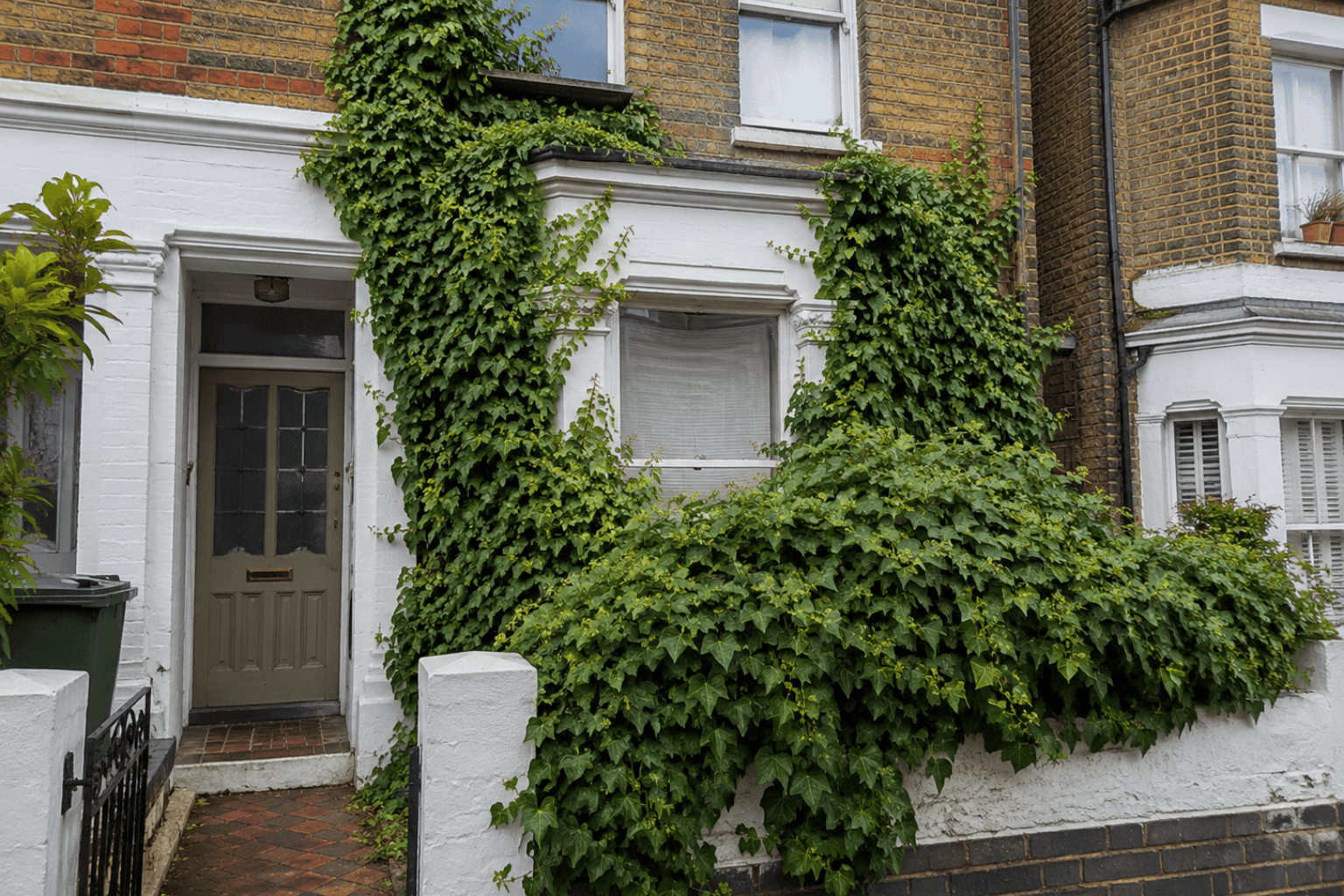
Ivy can add a touch of charm to any garden, but left unchecked, it can quickly become an invasive nuisance. Whether it’s climbing your fences, walls, or spreading across the ground, ivy can choke other plants, damage structures, and create long-term maintenance headaches. If you’re dealing with an ivy infestation in your South East London garden, here is a step-by-step guide to help you remove it effectively and keep your garden looking its best.
1. Assess the Area
Before you begin, evaluate the extent of the ivy growth. Identify whether the ivy is creeping along the ground or climbing structures like fences, walls, or trees. Knowing where and how the ivy is growing will help you plan the most effective removal strategy. Pay special attention to areas where ivy may be weakening fences or causing damage to masonry, as these require careful handling.
2. Gather the Right Tools
To successfully remove ivy, it is essential to have the appropriate tools. Here are some must-have items:
- Protective gloves to shield your hands from irritants and sharp stems
- Pruners or loppers for cutting thick vines
- A garden hoe or shovel to loosen roots
- A mattock or weed wrench for large or deeply-rooted sections
- A sturdy trash bag for disposal
These tools will make the removal process safer and more manageable.

3. Cut the Ivy
Begin by cutting the ivy at its base. Use pruners or loppers to sever the vines at ground level. If the ivy is climbing a wall or fence, avoid pulling it off immediately, as this can damage the underlying surface. Instead, cut the ivy and let it dry out over a few weeks, making it easier to remove without causing harm.
4. Remove the Roots
Ivy is notorious for its ability to regrow from small fragments. To prevent regrowth, you need to remove the roots thoroughly. Use a garden hoe, shovel, or mattock to dig up as much of the root system as possible. Be patient and persistent, as any leftover roots can quickly re-establish themselves.
For ivy growing on walls, carefully peel back the dried vines and scrape away any clinging roots. Inspect the surface to ensure all traces of ivy are removed.
5. Dispose of the Ivy Properly
Ivy should not be composted because it can easily take root and spread. Instead, collect all ivy debris in a yard waste bag and arrange for proper disposal through your local green waste program. This prevents the ivy from reestablishing itself in your garden or neighborhood.
6. Monitor for Regrowth
Even after a thorough removal, ivy can return if you don’t stay vigilant. Regularly check the cleared area for any signs of new shoots. If you spot regrowth, pull it out promptly or apply a targeted herbicide to stop its spread.
Applying mulch to the cleared area can help suppress any remaining ivy roots and discourage new growth. Additionally, maintaining a consistent weeding routine will keep ivy and other invasive species at bay.
7. Consider Replacement Plants
Once the ivy is gone, consider planting native or non-invasive species to fill the space. Ground covers such as periwinkle (Vinca minor) or wild strawberry (Fragaria vesca) are excellent alternatives. Not only do these plants add beauty to your garden, but they also prevent the return of ivy by occupying the soil.
Why Professional Ivy Removal May Be the Best Option
Removing ivy can be a time-consuming and physically demanding task, especially if the infestation is extensive. If you prefer to save time and ensure a thorough removal, professional garden clearance services can help. Our Garden Clearance Service in South East London specializes in removing invasive plants like ivy, restoring your garden to a clean and healthy state. Let our team handle the hard work so you can enjoy a beautiful, ivy-free garden without the hassle.
Final Thoughts
Ivy removal requires patience, persistence, and the right approach. By assessing the area, using the correct tools, and following these steps, you can successfully eliminate ivy from your garden. Regular monitoring and planting suitable replacements will help prevent its return, ensuring your garden stays healthy and well-maintained.
If ivy has taken over your garden and you need professional assistance, don’t hesitate to reach out to our Garden Clearance Service in South East London. We are here to help you reclaim your outdoor space and enjoy a thriving, ivy-free garden all year round.

0 comments