




If your hedges have gone from "neat boundary" to "the neighbours can't

✓ From £83/hr - no hidden costs ✓ Flexible maintenance plans ✓ No contracts - cancel anytime ✓ 6-day availability
Keeping up with your garden can be time-consuming. Our professional garden maintenance services in South East London keep your outdoor space tidy, healthy, and well maintained all year round.
Enjoy a tidy, stress-free garden without spending your weekends working on it. We provide residential garden maintenance for homeowners, landlords and property managers across South East London, with one-off visits or flexible regular plans to suit your needs.
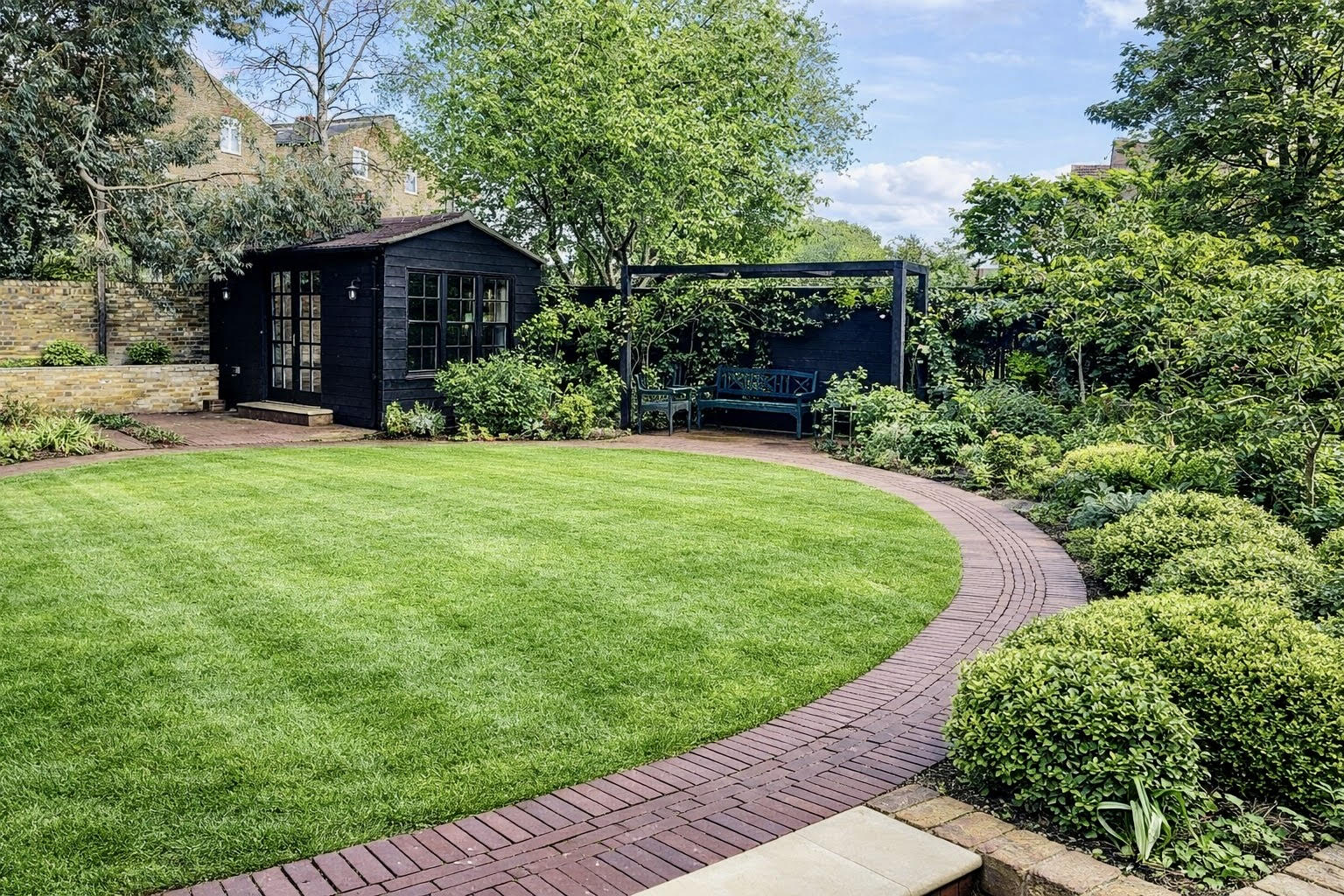
Need advice before booking? Read our guide on proper maintenance for a beautiful garden in South East London.
Free quote, no obligation, reply within 1 business day.
Step 1.
Fill in the form with a few details about your garden. Upload photos if you can - it helps us give you an accurate estimate faster.
Step 2.
We review your photos and get back to you within 24 hours with clear hourly pricing and our earliest available slot. No hidden costs.
Step 3.
Our fully equipped team arrives and completes the initial tidy-up. We take the time to understand your garden and what it needs going forward.
Step 4.
After the first visit we agree on a regular schedule that works for you - weekly, fortnightly, or monthly. No contracts, cancel or adjust anytime.
Step 5.
We show up as scheduled and keep your garden consistently tidy, healthy and well maintained throughout the year. Same team, same standards, every visit.
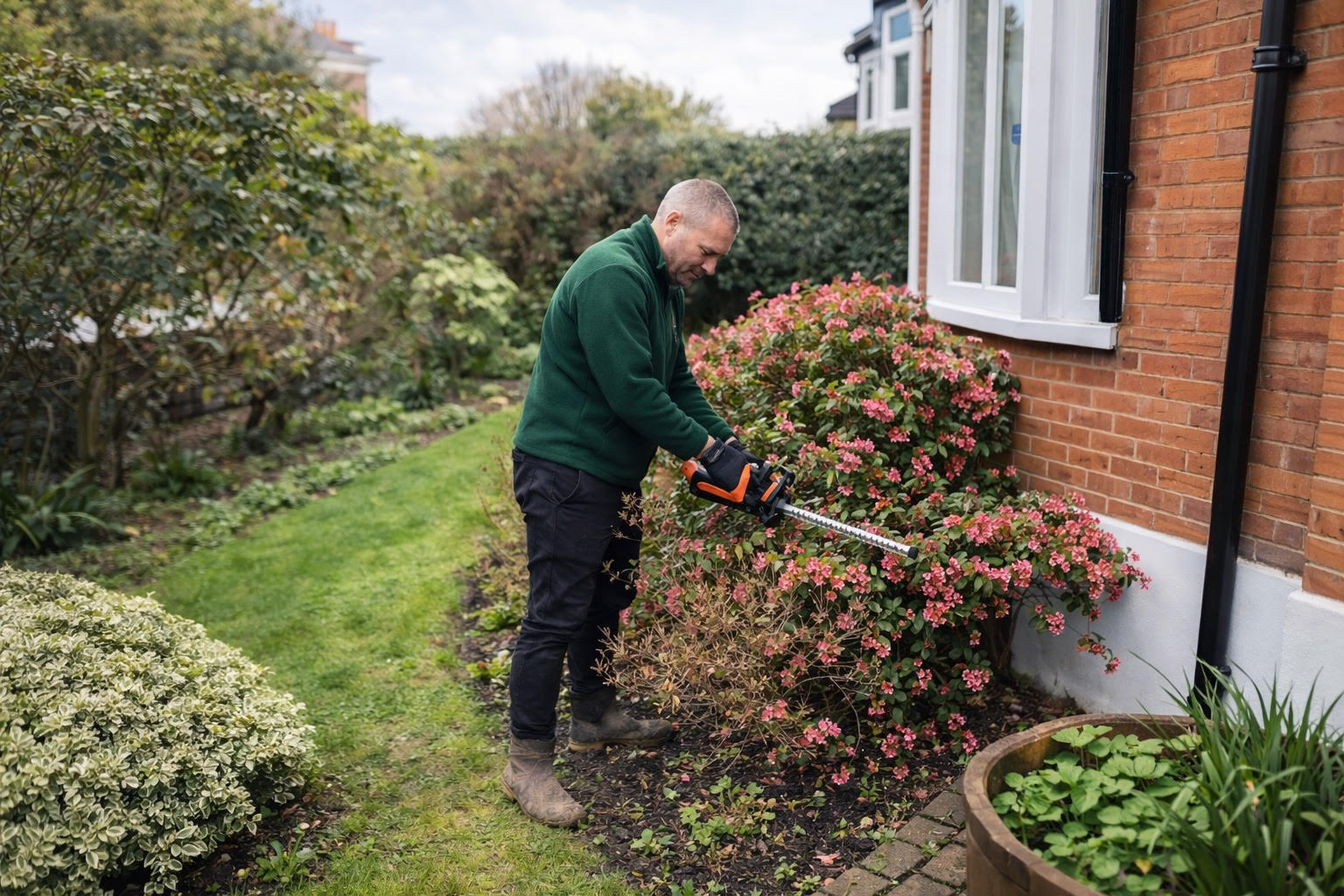
Recent garden maintenance projects in Abbey Wood, Bromley, Greenwich and surrounding areas.




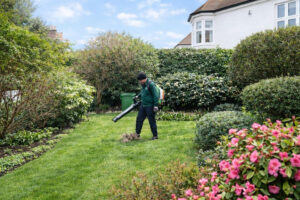
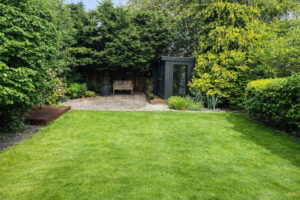

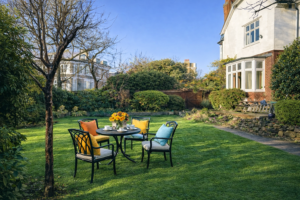
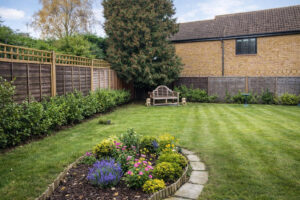


Urban Gardeners is a local South East London landscaping company trusted by homeowners for all garden services.
Send us details or photos of your garden and we’ll provide clear pricing quickly.
All work is carried out by our experienced in-house gardeners. No subcontractors.
Our hourly or fixed pricing is explained upfront so you always know what to expect.
We treat your property with care and leave your garden neat and presentable after every visit.
Free quote, no obligation, reply within 1 business day.
Garden maintenance is charged at £83 for the first hour and £65 for every additional hour, with a two-man team and all equipment included. Most gardens fall into one of these ranges:
Garden size | Estimated Time | Typical cost |
|---|---|---|
Small (tidy garden, light upkeep) | 1-2 hours | £83 - £148 |
Medium (mixed planting, lawn + hedges) | 2-3 hours | £148 - £213 |
Large (multiple areas, overgrown sections) | 3-4 hours | £213 - £278+ |
For seasonal tips on keeping your garden in shape year-round, see our 7 tips to keep your garden clean and tidy.
Our team arrives fully equipped in transit vans. In some areas, local parking or congestion charges may apply. Where possible, we always aim to avoid these and will advise you in advance if relevant.
Quotes are free. No obligation. You decide whether to proceed.
Service | Price |
|---|---|
Ivy removal | price on request |
Stump grinding | price on request |
Bamboo removal | price on request |
Tree root removal (treatment) | price on request |
Survey/Viewing notes
We provide accurate garden maintenance quotes based on photos and project details, usually within 24 hours.
For larger or complex jobs, a site visit may be required to confirm final pricing.
We provide regular garden maintenance across South East London, including Lewisham, Greenwich, Eltham, Woolwich, Blackheath, Catford, Peckham, Brockley, Forest Hill and Sydenham. Whether you need a one-off tidy-up or an ongoing weekly or fortnightly plan, our local team covers all SE postcodes.
If you're looking for reliable garden maintenance in South East London, our experienced team is ready to help with expert garden maintenance services.
Visit our full South East London service area page.
Our garden maintenance services include:
• Lawn mowing and edging
• Weeding and weed control
• Hedge and ivy trimming
• Bush and shrub pruning
• Flower bed care
• Tree pruning (up to 3–4 metres)
• Green waste removal
Landscaping and full garden design are separate services.
No. Our South East London gardeners arrive fully equipped with all necessary tools and machinery, including lawn mowers, hedge trimmers, leaf blowers, ladders, and pruning equipment.
All tools and equipment are included in the price.
Sure. You can provide the flowers, soil, and other planting materials, and our urban gardeners will plant them for you.
If you need us to bring those for you, a detailed list of all planting supplies must be sent to us a couple of days before the service so we can have enough time to purchase and deliver them to your home.
Absolutely. Our team has pressure washing equipment in the vehicle all the time, so point the area that needs cleaning, and gardeners will do the rest. We charge just £4 per sq.m. for patio cleaning, and there is no minimum charge for service combined with garden maintenance.
If our team finishes earlier than planned, you are only charged for the time worked on site.
If you are unsure how many hours to book, send us photos of your garden and we will estimate the time required.
Yes, we offer flexible weekly, fortnightly, or monthly garden maintenance plans across South East London. Regular visits help keep your lawn, hedges, and plants healthy and your garden consistently tidy throughout the year.
We tailor each schedule to your garden’s size, condition, and seasonal needs. There are no long-term contracts, you can adjust or pause your plan at any time.
We operate across South East London, including Bromley, Bexley, Dartford, Orpington, and surrounding areas.
You can view the full list on our Areas We Cover page.
Simply fill out our quote form and provide a few details about your garden. You can also upload photos to help us give you a more accurate estimate.
We will confirm availability and pricing shortly after.
Our team also handles tree and hedge work as part of regular visits. Learn more in our guide to tree and hedge pruning in South East London.
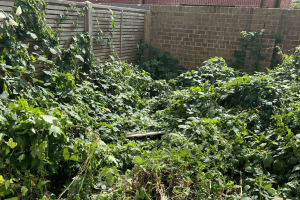
If your hedges have gone from "neat boundary" to "the neighbours can't

Preparing your garden for winter is not about cosmetics. It’s about strategy,
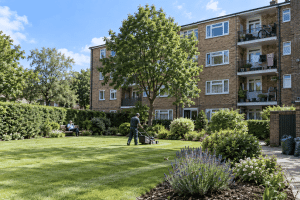

In the world of gardening, the beauty of a landscape is often

Your garden should feel like a place to breathe. A tidy outdoor
Experienced gardeners, fully equipped, 6-day availability.

contact us
Mon-Sat: 9am-6pm
Phone: 07760800457
Email: office@urbangardeners.co.uk
Address: 32 Allenswood Road, London, SE9 6RP, United Kingdom
Copyright 2026 Urban Gardeners South East London, All Rights Reserved - Privacy Policy - Terms And Conditions