

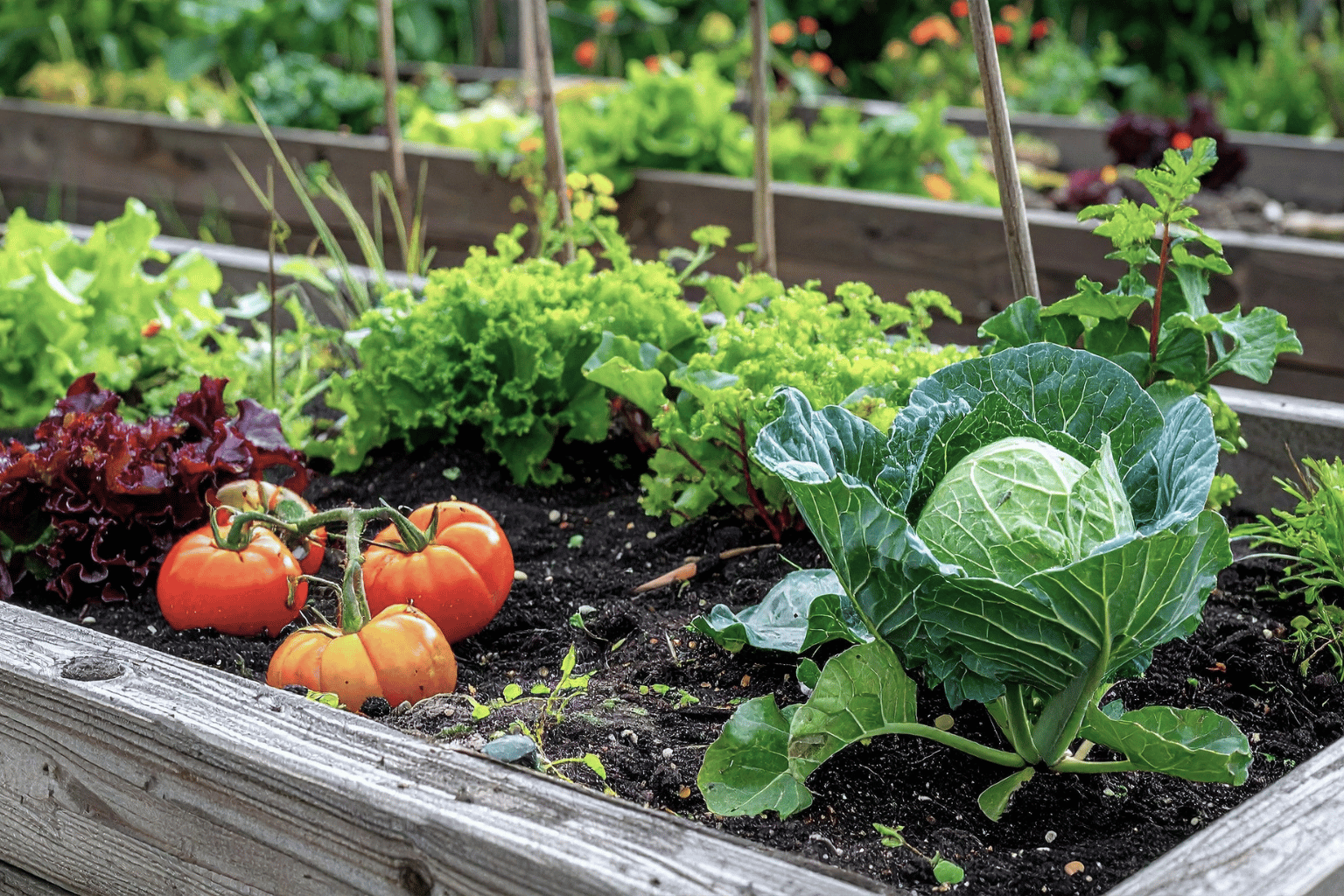
You do not need an allotment to grow your own food. A small paved courtyard, a strip of lawn, even a few pots on a patio will do. Across South East London, thousands of gardens under 50 square metres sit unused or underused, when they could easily produce enough salad, herbs and vegetables to cut a noticeable chunk off the weekly shopping bill.
The barriers most beginners hit are not about space. They are about not knowing where to start, planting the wrong things at the wrong time, and fighting with South East London's heavy clay soil. This guide covers all of it, specifically for the conditions you will actually be working with in a garden across Greenwich, Lewisham, Bromley, Eltham or anywhere else in the SE London postcodes.
Would rather have someone build it for you? Our team can design and install raised beds, prepare your soil and plant your first crops. Get in touch to discuss what you want to grow, or call 07760 800457 (Mon-Sat 9am-6pm).
Why South East London Gardens Are Actually Good for Growing Vegetables
London has a milder climate than most of the UK. The last frost in South East London typically falls in late April, and the first frost does not arrive until mid to late November. That gives you a growing season of roughly six to seven months, which is longer than much of the country.
London clay, while heavy and slow to drain, is also nutrient-rich. Plants that make it through the initial establishment phase often do very well because the soil holds onto moisture and minerals that sandy soils lose quickly. The challenge is drainage and workability, not fertility.
The urban heat island effect also works in your favour. Built-up areas like Lewisham, Greenwich and Eltham stay warmer than the surrounding countryside, especially overnight. This means fewer late frosts, warmer soil temperatures in spring, and a slightly extended window for heat-loving crops like tomatoes and courgettes.
If your garden has drainage problems that cause waterlogging or standing water, deal with that before you start growing anything. Our guide on dealing with poor drainage in South East London gardens explains the options.
Step 1: Assess Your Space
Before you buy a single seed, look at your garden and answer three questions.
How much sun does it get? Most vegetables need at least six hours of direct sunlight per day. South-facing and west-facing gardens in South East London get the most sun. North-facing gardens are trickier but not impossible. You can still grow salad leaves, spinach, kale, radishes and herbs in partial shade. Anything that fruits (tomatoes, courgettes, beans, peppers) needs full sun.
What surfaces do you have? If your garden is mostly paved or concreted (common in South East London terraces and ex-council properties), you are not going to dig a vegetable patch. But you can grow in raised beds placed on hard surfaces, in large pots, or in grow bags. You do not need soil in the ground to grow food.
How much time can you give it? Be honest. A small raised bed with a few crops needs around 20 to 30 minutes of attention per week during the growing season, mostly watering and occasional weeding. If even that feels like too much, start with just a few pots of herbs and salad leaves by the back door.
Step 2: Choose Your Growing Method
There are three realistic options for a small South East London garden. Each one works. Pick the one that fits your space and budget.
Raised Beds
This is the best option if you have any ground space at all, especially on London clay. A raised bed sits on top of the existing soil and is filled with a good quality compost and topsoil mix. This gives you complete control over drainage and soil quality, which bypasses the biggest problem with growing vegetables directly in heavy clay. If you want the full case for going this route, we have written a whole post on 6 excellent reasons to use raised beds in the garden.
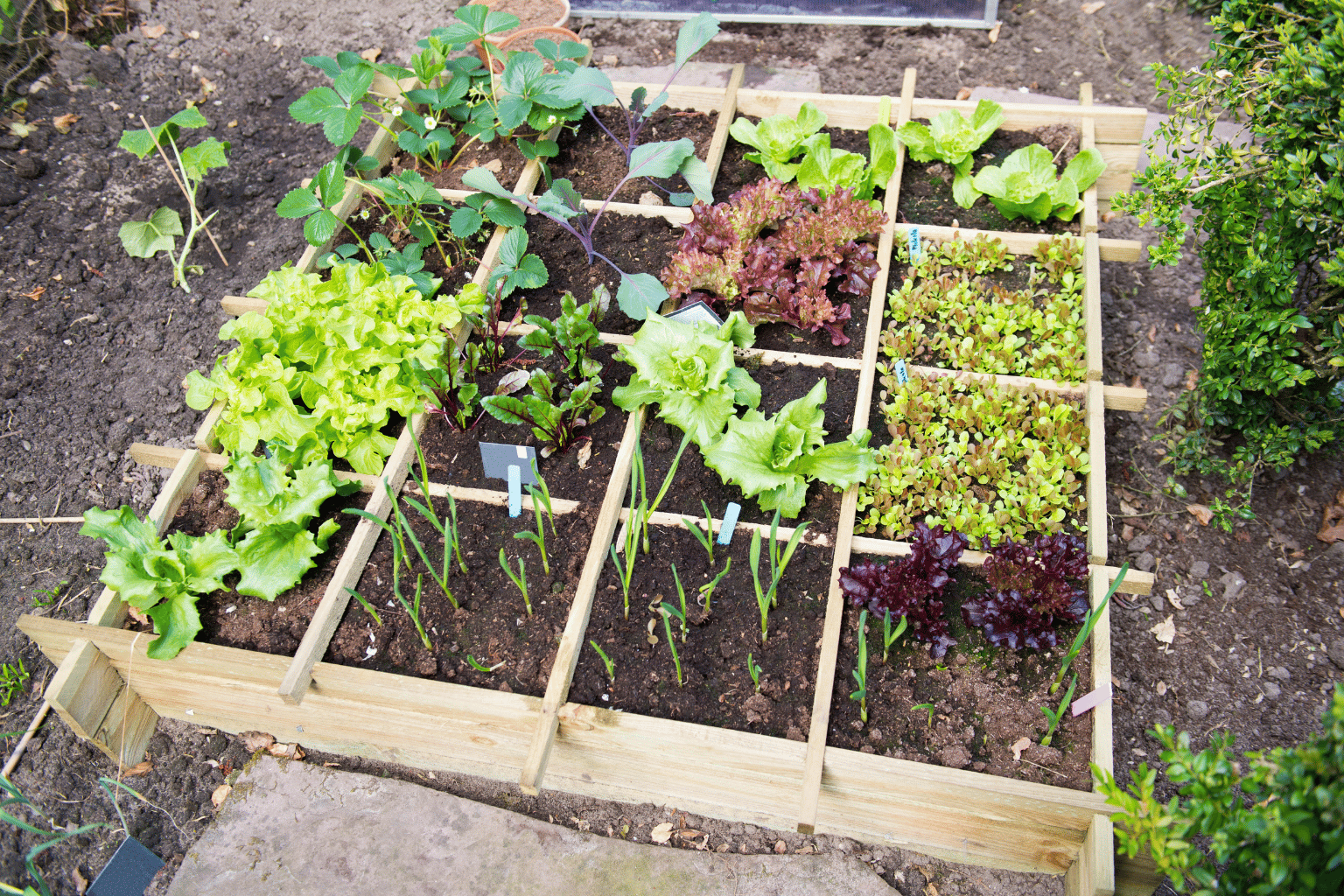
A 1.2m x 1.2m (4ft x 4ft) raised bed is enough to grow a surprising amount of food. Keep the width under 1.2m so you can reach the centre from either side without stepping on the soil. A depth of 30cm is enough for most vegetables, though root crops like carrots do better with 45cm.
Timber is the most common and affordable material for raised bed frames. Pressure-treated softwood is fine and will last five to eight years. Avoid old railway sleepers as they may contain creosote that can leach into the soil.
Fill your raised bed with a mix of roughly two-thirds peat-free compost and one-third quality topsoil. This gives you a light, drainable growing medium that vegetables love. You can buy compost and topsoil in bags from any garden centre, or order bulk bags delivered if you are filling multiple beds.
Container Growing
If your outdoor space is entirely paved, a balcony, or very small, containers are the way to go. You can grow tomatoes, chillies, salad leaves, herbs, runner beans and even potatoes in pots.
The key rules for container growing are simple. Use the largest pots you can. Anything smaller than 30cm diameter will dry out too quickly and restrict root growth. Use peat-free multipurpose compost (not garden soil, which is too heavy for pots). Make sure every container has drainage holes. Water regularly, as pots dry out much faster than raised beds or ground soil, especially in summer.
Group your containers together near the back door or on the sunniest part of your patio. Clustering pots also creates a microclimate that retains moisture better than isolated containers. If you have pets, it is worth checking which plants are safe before you fill your patio with pots. Our guide to pet-friendly plants safe for dogs and cats is a useful cross-check.
Growing Directly in the Ground
If you have an existing flower bed or lawn area and you want to convert it to a vegetable patch, you can grow directly in the ground, but on London clay this takes more preparation.
The soil needs organic matter worked into it to improve its structure. Spread a 5-10cm layer of garden compost or well-rotted manure over the surface and fork it in. Do this in autumn or early spring. The first year will be a bit rough, but the soil improves dramatically with each season as organic matter breaks down and worms do their work.
A no-dig approach also works well on clay. Instead of turning the soil, lay cardboard over the existing surface and top it with 15-20cm of compost. Plant directly into the compost layer. The cardboard smothers weeds, and the underlying clay slowly improves as worms pull organic material down.
If your soil is severely compacted from years of neglect or construction traffic, it may need professional attention before anything will grow well. Our garden maintenance service includes soil preparation and bed creation as part of a regular visit.
Step 3: What to Grow (and What to Avoid)
Not everything is worth growing in a small garden. Space is limited, so every plant needs to earn its spot. Here are the crops that give the best return for beginners in South East London conditions.
Best Vegetables for a Small South East London Garden
Salad leaves (lettuce, rocket, mizuna, spinach). The absolute best starting point for any beginner. They grow fast (ready in 4-6 weeks), take up very little space, can be harvested as cut-and-come-again (you snip the leaves and the plant regrows), and the taste difference between homegrown and supermarket is enormous. Sow from March to September. They handle partial shade, which makes them perfect for north-facing or shaded South East London gardens.
Herbs (basil, coriander, parsley, mint, chives, rosemary, thyme). Herbs are the highest value-per-square-centimetre crop you can grow. A pot of supermarket basil costs £1.50 and lasts a week. A basil plant grown from seed costs pennies and produces all summer. Rosemary, thyme and chives are perennial, meaning they come back every year. Keep mint in a pot because it spreads aggressively if planted in the ground. For a deeper guide on growing herbs affordably, see our blog on 7 tips to grow a herb garden on a budget.
Courgettes. One single courgette plant will produce more fruit than a family of four can eat. They need a sunny spot and plenty of water, but require almost no other care. Sow indoors in April, plant out in late May after the last frost. One plant takes up about 60cm x 60cm.
Runner beans and French beans. Beans grow vertically on a simple cane wigwam, which means they take up almost no ground space. A 60cm circle of soil can support a wigwam of 6-8 canes producing beans all summer. They also fix nitrogen into the soil, improving it for next year's crops. Sow directly outside from mid-May.
Tomatoes. Few things in life are more satisfying than a homegrown tomato still warm from the sun. Choose bush varieties like 'Tumbling Tom' or 'Balconi Red' for containers and small spaces. They do not need staking or side-shoot removal like cordon varieties. They need full sun and regular watering. Start seeds indoors in March or buy young plants from a garden centre in May.
Radishes. The fastest vegetable you can grow. From seed to plate in around 4 weeks. Sow directly into any container or bed from March onwards. They are perfect for filling gaps between slower-growing crops.
Beetroot. Almost foolproof on London clay. 'Boltardy' is the classic reliable variety. Sow from April to July, harvest from June to October. They handle clay soil well if it has been improved with compost, and they do not mind a bit of shade.
Potatoes. You do not need a field. Potatoes grow brilliantly in large containers, grow bags, or even old compost sacks with drainage holes poked in the bottom. Plant seed potatoes in March, harvest in June or July. There is something genuinely exciting about tipping out a container and finding potatoes you grew yourself.
What to Avoid as a Beginner
Brassicas (cabbage, cauliflower, broccoli, Brussels sprouts). They take months to mature, occupy a lot of space for a long time, and are magnets for caterpillars, pigeons and slugs. Not worth the frustration in a small garden.
Sweetcorn. Needs a large block of plants for pollination, which takes up far too much room in a small garden. The yield per square metre is poor.
Pumpkins and large squash. The vines will take over your entire garden. One pumpkin plant can easily spread 2-3 metres in every direction.
Asparagus. Takes 2-3 years before you can harvest anything, and needs a permanent dedicated bed. Not practical in a small space.
Step 4: When to Plant (South East London Timing)
Timing matters. Plant too early and frost kills your seedlings. Plant too late and crops do not have time to mature. Here is a realistic calendar for South East London, where the last frost is usually late April.
February-March (indoors). Start tomatoes, chillies and peppers on a sunny windowsill. Sow salad leaves in pots indoors for an early crop.
March-April (outdoors). Sow radishes, beetroot, spinach, peas, and salad leaves directly into beds or containers. Plant seed potatoes in containers. These crops handle cool weather and light frost.
Late April-May (after last frost). Plant out courgettes, beans, tomatoes and any other tender crops. The soil has warmed up enough for them to establish. This is the busiest planting period.
June-July. Sow a second round of salad leaves, radishes and beetroot for an autumn harvest. This extends your growing season and makes the most of your space.
August-September. Plant overwintering crops if you want to keep growing through the cooler months. Garlic (planted in October), broad beans and winter salads can all produce in South East London's mild winters.
October onwards. Clear spent crops, add compost to your beds, and plan for next year. This is also a good time to build new raised beds or improve your soil ready for spring. Our guide on why an autumn tidy-up matters for a healthy South East London garden covers what needs doing before winter.
For an authoritative month-by-month sowing reference, the Royal Horticultural Society grow-your-own calendar is a trusted free resource worth bookmarking alongside this guide.
Common Beginner Mistakes
Starting too big. One raised bed or three to four large containers is enough for your first year. You can always expand once you have a season under your belt. Starting with ten different crops and a 3-metre bed leads to overwhelm and abandonment by July.
Watering inconsistently. Irregular watering is the number one killer of container-grown vegetables. In a hot South East London summer, pots can dry out in a single day. Water in the morning, check again in the evening during heatwaves. Raised beds are more forgiving but still need regular attention.
Ignoring the soil. On London clay, trying to grow vegetables directly in un-amended ground is a losing battle. The soil is too heavy, drains too slowly in winter, and bakes hard in summer. Invest in compost, build a raised bed, or use containers. Your crops will repay the effort many times over.
Planting in shade. If you put your tomatoes under a north-facing fence, they will produce almost nothing. Be ruthless about placing fruiting crops in your sunniest spot. Use shadier areas for leaves and herbs.
Not harvesting regularly. Courgettes turn into marrows, beans go tough, and lettuce bolts to seed if you leave them too long. Regular harvesting encourages the plant to keep producing. Check your crops every couple of days during peak season.
Dealing With Slugs, Snails and Pigeons
These are the three biggest threats to a vegetable garden in South East London, and every beginner will encounter at least one of them within the first few weeks.
Slugs and snails come out at night and will demolish young seedlings overnight. Copper tape around raised beds and containers creates a barrier they avoid. Beer traps (a shallow dish sunk into the soil and filled with cheap lager) attract and drown them. Organic slug pellets based on iron phosphate are effective and safe for wildlife. The most important thing is to protect young plants in their first two weeks, after which they are usually robust enough to survive some nibbling.
Pigeons are a particular problem in urban South East London gardens. They will strip brassica leaves to the stem and peck at young pea and bean shoots. The simplest defence is netting. Drape butterfly netting over your beds, supported by canes or hoops, to keep pigeons off. It also protects against cabbage white butterflies. Leaving it in place all season is the easiest approach.
Aphids (greenfly and blackfly) cluster on the tips of bean plants and the undersides of leaves. A strong jet of water from a hose knocks most of them off. Encouraging ladybirds and hoverflies into your garden provides natural control. Planting marigolds alongside your vegetables attracts beneficial insects and adds colour. Our blog on the benefits of bees and pollinators in your garden covers why a wildlife-friendly approach is worth encouraging.
How Much Does It Cost to Get Started?
You do not need to spend a fortune. Here is a realistic budget for a first-year setup in a small South East London garden.
| Item | Estimated Cost |
|---|---|
| Timber raised bed kit (1.2m x 1.2m) | £30 - £80 |
| Compost to fill one raised bed | £20 - £40 |
| Seeds (5-6 varieties) | £10 - £15 |
| Basic tools (trowel, watering can, labels) | £15 - £25 |
| Total DIY setup | £75 - £160 |
| Professional raised bed build, fill and plant (1 bed) | £150 - £250 |
Prices are a guide and subject to change.
If you want the raised beds built, filled and planted by a professional, our garden maintenance service covers the full job. We source materials, build the beds, prepare the soil and plant your first crops. See our pricing page for hourly rates.
For larger projects or a complete garden redesign that includes growing space, our garden landscaping and design service can incorporate raised beds, pathways and planting into a layout that works for both food growing and everyday use.
Where to Buy Seeds and Plants in South East London
You do not need to order everything online. There are good local options across the area.
Garden centres near you: Ruxley Manor Garden Centre near Sidcup is one of the largest in the area and stocks a wide range of seeds, compost, raised bed kits and young vegetable plants in spring. Smaller independents around Beckenham and Penge are worth seeking out for herbs, perennials and knowledgeable local advice. Larger chains like B&Q have branches across Eltham, Greenwich and Sidcup carrying basic seeds, compost and tools at lower prices if you are on a tight budget. (It is always worth a quick check of opening hours online before travelling, as garden centre stock and hours change seasonally.)
For seeds specifically, established UK online suppliers such as Suttons, Thompson & Morgan and Mr Fothergill's deliver within a few days and have a wider range than most garden centres. Buying seeds is dramatically cheaper than buying young plants, though plants save you the germination step.
If you have neighbours who grow their own, ask if they have spare seedlings in spring. Gardeners are generous people and most end up with more seedlings than they need.
Looking After Your Garden Through the Season
Once your crops are in, the ongoing work is minimal. Watering, weeding and occasional feeding are the three recurring tasks.
Watering: In raised beds, water when the top 2-3cm of soil feels dry. In containers, this might be daily in summer. Water at the base of the plants, not over the leaves, and ideally in the morning.
Weeding: A raised bed filled with fresh compost will have very few weeds in the first year. Pull any that appear while they are small. Mulching with straw or wood chips suppresses weeds and retains moisture.
Feeding: Vegetables are hungry plants. Feed tomatoes, courgettes and beans with a liquid tomato feed (high in potassium) every week or two once they start flowering. Salad leaves and root vegetables do not usually need extra feeding if the compost was good quality.
If keeping up with garden maintenance feels like too much, our garden maintenance team can include vegetable bed upkeep as part of a regular visit. Many of our regular clients across Eltham, Blackheath and Bromley have us look after their growing beds alongside the rest of the garden.
FAQ About Growing Your Own Vegetables in a Small Londond Garden
Beetroot, courgettes, beans and potatoes all do well once London clay has been improved with compost, or grown in raised beds and containers that bypass the clay entirely. Salad leaves and herbs are the easiest starting crops for beginners.
The last frost in South East London typically falls in late April. Tender crops like tomatoes, courgettes and beans should not be planted outside until after this, usually early to mid May.
On London clay, yes. Growing directly in un-amended clay is difficult because it drains slowly and bakes hard. The easiest solutions are building a raised bed filled with quality compost, using containers, or improving ground soil with a thick layer of compost over one or two seasons.
A DIY first-year setup with one raised bed, compost, seeds and basic tools costs roughly £75 to £160. Having a professional build, fill and plant a raised bed for you typically costs £150 to £250 depending on size and materials.
Start Small, Start Now
You do not need to wait for the perfect setup. A pot of herbs on the patio this weekend is a start. Three containers of salad leaves by the back door is a start. One raised bed in a sunny corner is a start.
The learning comes from doing, not from reading another guide. Get something in the ground (or in a pot) and see what happens. Your first season will not be perfect, but it will teach you more than any amount of research.
If you want help getting set up, whether that is building raised beds, preparing your soil, or transforming a section of your garden into a productive growing space, we are here.
Here is how it works:
- Tell us what you have in mind - send photos of your space and let us know what you want to grow
- We advise on the best setup for your garden's size, aspect and soil
- We build, fill and plant everything in a single visit
No ongoing contracts. No hard sell. Just practical help from local gardeners who know South East London soil.
Get a Free Quote | Call 07760 800457 | Email: office@urbangardeners.co.uk

0 comments