


A neglected, overgrown garden can quickly start to feel overwhelming. Dense weeds, brambles, and unmanaged growth often make the space unusable and intimidating. But underneath the chaos, there’s usually solid ground and real potential.
With the right approach, garden clearance is not just about tidying up. It’s about resetting the space so it becomes manageable, healthy, and ready for whatever comes next.
In this guide, we’ll walk through practical, proven ways to clear an overgrown garden in South East London that deliver long-term results, whether you’re tackling it yourself or considering professional help.
Start With a Clear Plan Before You Touch Anything
Before any cutting or clearing begins, take time to assess the garden properly.
Walk through the space and:
- Identify areas that are heavily overgrown
- Decide which plants, trees, or features you want to keep
- Note damaged fences, sheds, patios, or paths
- Spot invasive plants or hazardous areas
Taking photos helps you track progress and avoid removing plants you may want to save. Even a rough plan gives structure to the work and prevents wasted effort.
If the garden feels too far gone, this is usually the stage where homeowners consider professional garden clearance to speed things up safely.
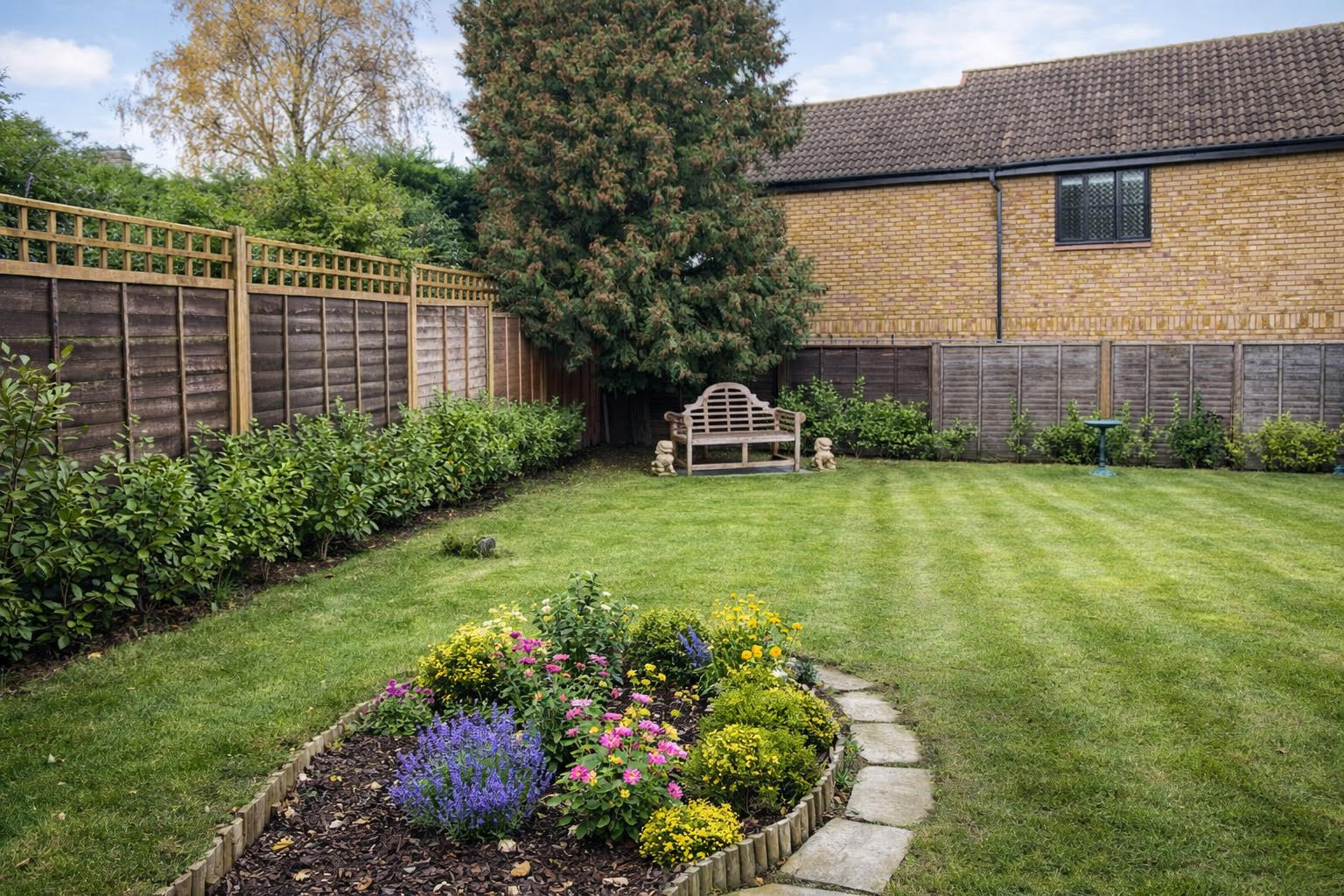
Use the Right Tools for Clearing Overgrowth Efficiently
Trying to clear an overgrown garden with the wrong tools is frustrating and slow. Proper equipment makes a huge difference to both safety and results.
Essential tools for garden clearance
- Heavy-duty gloves to protect against thorns and irritants
- Secateurs and loppers for thick stems and branches
- Garden fork and spade for roots and compacted soil
- Pruning saw for woody shrubs or small trees
- Strimmer or brush cutter for dense weeds and tall grass
- Wheelbarrow or heavy-duty garden bags for waste removal
Well-maintained tools reduce effort and help avoid damage to plants you want to keep.
Read our article Essential Tools to clear an ovegrown garden for more information on gardening tools.
Clear Large Debris and Waste First
Start by removing bulky items before dealing with plants and soil.
This includes:
- Fallen branches and dead shrubs
- Old garden furniture, broken planters, or debris
- Timber, bricks, or leftover materials
Sorting waste early keeps the workspace clear and prevents rework later.
If the volume of green waste is significant, it’s often more efficient to use a licensed garden waste removal service rather than multiple trips to the tip.
You can read official guidance on legal disposal on the UK governement site.
Need help clearing an overgrown garden?
If your garden in South East London has become overgrown or unmanageable, professional garden clearance can reset it quickly and safely.
Explore our service: Garden Clearance
Cut Back Overgrowth in Stages, Not All at Once
Once the space is cleared of large debris, begin reducing the overgrowth gradually.
Best practice:
Work from the edges inward
Cut shrubs back to their basic structure
Remove dead or diseased growth first
Thin dense areas to improve light and airflow
Many plants respond well to hard pruning when done correctly. Taking it step by step reduces mistakes and protects plants you want to keep.
Remove Weeds and Invasive Plants Thoroughly
Weeds are one of the main reasons gardens become unmanageable again.
For lasting results:
- Remove weeds from the root where possible
- Use a fork or hoe for large areas
- Treat invasive species carefully to prevent spread
- Avoid quick surface cuts that encourage regrowth
After clearing, applying mulch or compost helps suppress weeds and improves soil quality.

Restore the Soil and Lawn After Clearance
Once the garden is clear, the soil often needs attention.
Soil recovery steps
Loosen compacted soil with a fork
Add compost or well-rotted organic matter
Level planting beds
Test and adjust soil pH if needed
For lawns:
Scarify to remove moss and thatch
Aerate compacted areas
Overseed bare patches
Healthy soil is the foundation of a garden that stays manageable long term.
Redesign the Space With Purpose
A cleared garden gives you the opportunity to rethink the layout.
Consider:
- Defined paths for easy access
- Raised beds for planting or vegetables
- Seating or relaxation areas
- Clear boundaries using fencing, hedges, or trellises
Good structure reduces maintenance and prevents overgrowth from returning quickly.
If you’re unsure how to make the most of the space, garden landscaping and design can help turn a blank garden into a functional, well-planned layout that’s easier to maintain long term.

Plant Strategically for Long-Term Results
Planting without a plan often leads back to chaos.
Smarter planting choices include:
Native plants for lower maintenance
Grouping plants by water and light needs
Mixing evergreen and seasonal plants
Choosing plants that suit your available time
This is the stage where many homeowners opt for ongoing garden maintenance to protect their investment.
Keep the Garden Under Control With Regular Maintenance
An overgrown garden is far easier to prevent than to clear again.
Simple maintenance habits
Light weeding weekly
Seasonal pruning
Soil feeding and mulching
Regular inspections for pests or damage
Consistency keeps the garden usable year-round and avoids costly clearance work in the future.
When Professional Garden Clearance Makes Sense
If your garden has:
- Years of neglect
- Dense brambles or self-seeded trees
- Large volumes of waste
- Access or safety challenges
Professional garden clearance can save time, reduce risk, and deliver better long-term results.
Want help clearing your garden in South East London? Contact us and we’ll provide you with a free quote today.

0 comments