

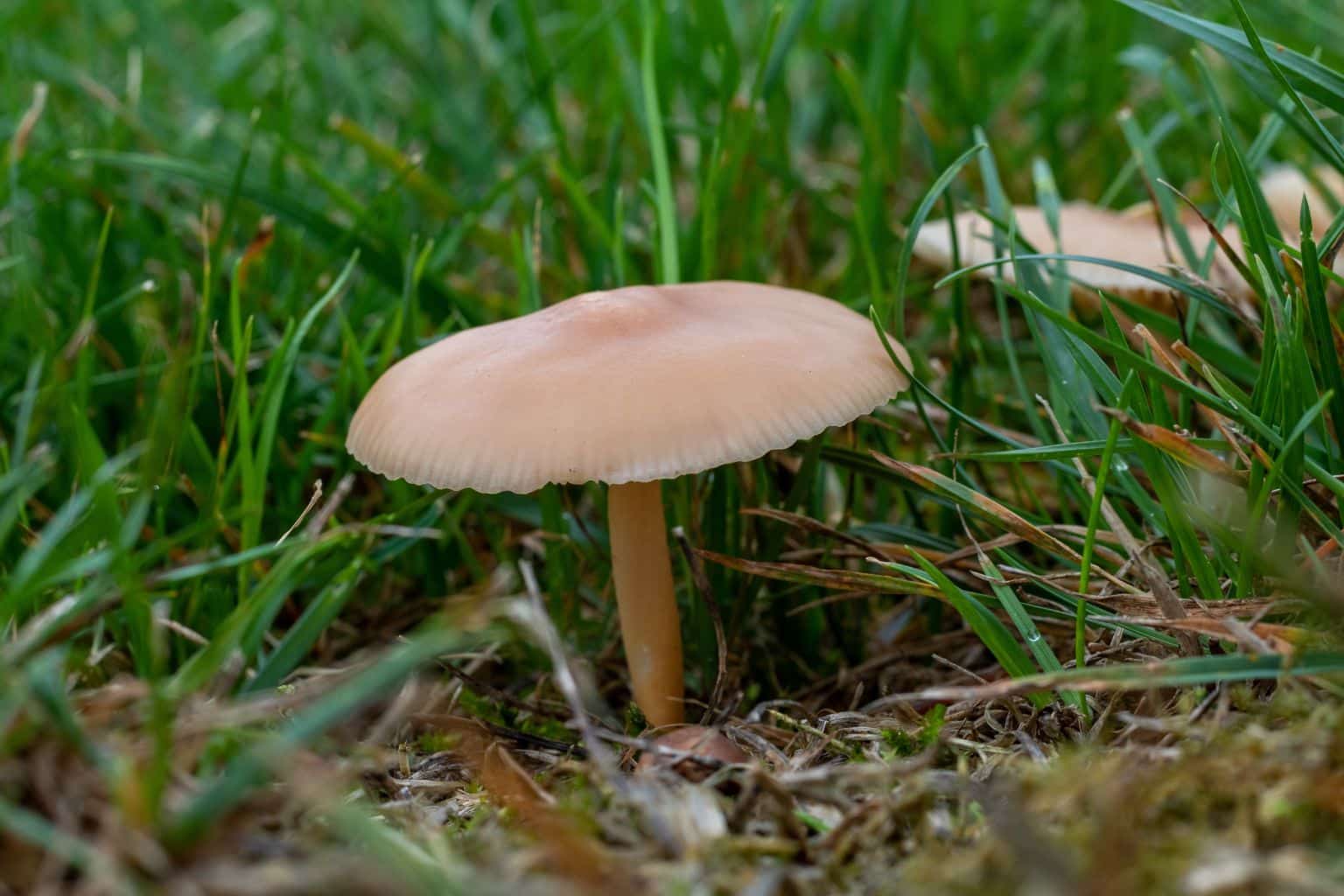
Mushrooms can be annoying in your outdoor space. They often appear overnight, and if you have children or pets, it’s normal to worry about safety.
Here’s the good news: mushrooms are usually a sign that your soil has lots of organic matter. The not-so-good news is that frequent mushrooms often point to damp conditions like poor drainage, compacted soil, heavy shade, or decaying material under the surface, which our garden maintenance service can help improve.
In this guide, you’ll learn why mushrooms grow, whether they’re harmful, how to remove them safely, and how to stop them coming back for good.
Quick answer (fastest way to remove mushrooms)
If you want a quick fix today:
Wear gloves and pick mushrooms as soon as you spot them
Bag them and put them in household waste (do not compost)
Reduce watering for 1 to 2 weeks and water only in the morning
Rake away leaf litter, old grass clippings, and rotting wood
Improve airflow and sunlight where possible
This removes what you can see. The long-term fix is changing the conditions that cause them.
Why Do Mushrooms Grow in Your Garden?
Mushrooms are the visible “fruiting bodies” of fungi. The main part of the fungus lives underground as a network called mycelium. This network breaks down organic matter such as:
- fallen leaves and twigs
- grass clippings and thatch
- buried wood, old stumps, or roots
- decaying plant material
Fungi are natural recyclers. They return nutrients back into the soil, which supports plant growth.
Mushrooms usually appear when the fungus gets the perfect conditions, especially:
- excess moisture (rain or overwatering)
- poor drainage or compacted soil
- shady areas that stay damp
- lots of organic debris to feed on
Regular tidying and seasonal clean-ups with garden maintenance team reduce the organic debris fungi feed on.
Are mushrooms a sign of healthy soil?
Often, yes.
Mushrooms can indicate your soil is rich in organic material. They do not usually grow well in soil that is very poor or lifeless.
But if mushrooms keep coming back in the same area, it usually means your soil is staying wet for too long or there’s something decaying underground (like old roots or buried wood).
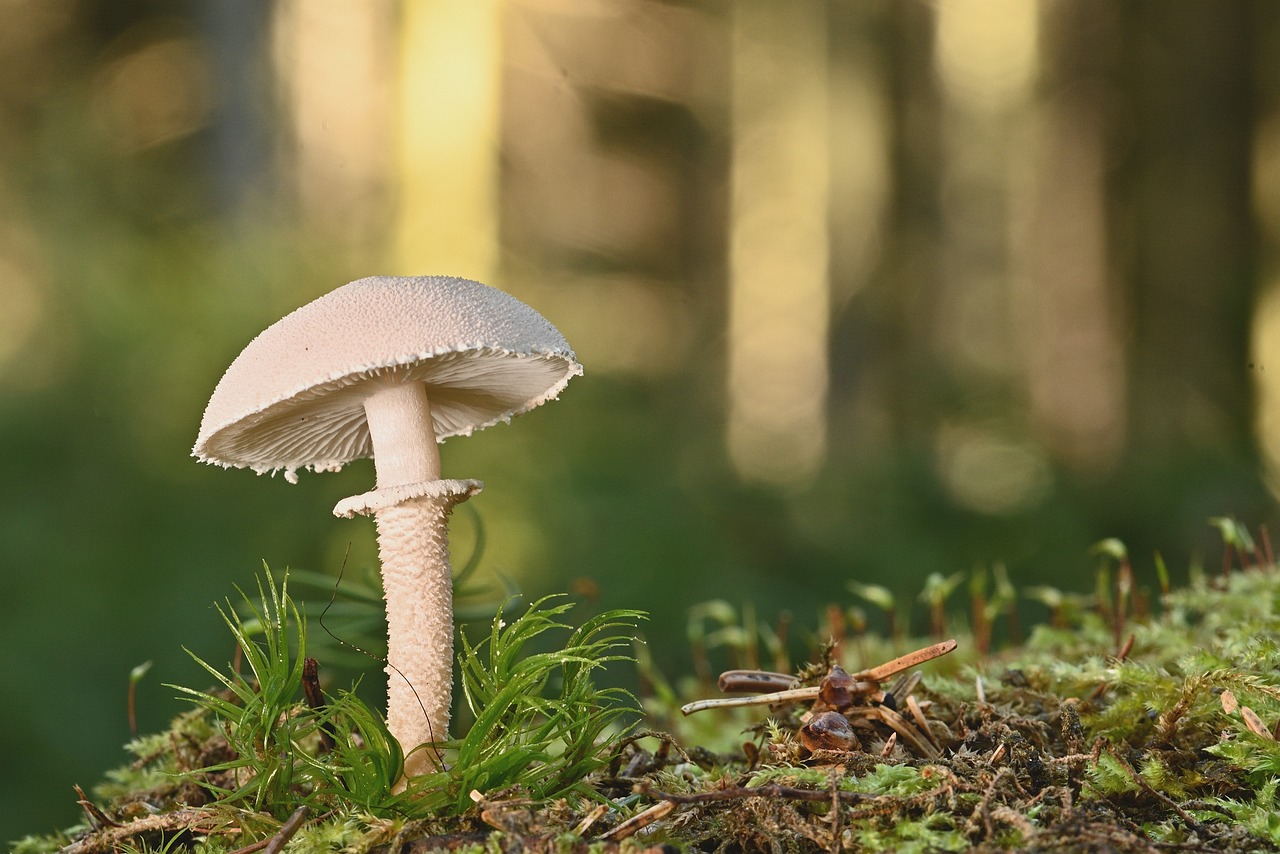
Are garden mushrooms dangerous for pets and children?
Some mushrooms are harmless, but others can be toxic if eaten. Because it’s hard to identify them accurately, the safest approach is:
remove mushrooms as soon as they appear
block access to the area if possible
keep pets from eating any mushrooms
If a pet eats an unknown mushroom, contact a vet for advice.
If you’re planning a safer outdoor space, here’s our guide to pet-friendly plants for gardens.
The RSPCA has guidance on what to do if you think your dog has been poisoned, including contacting your vet immediately.
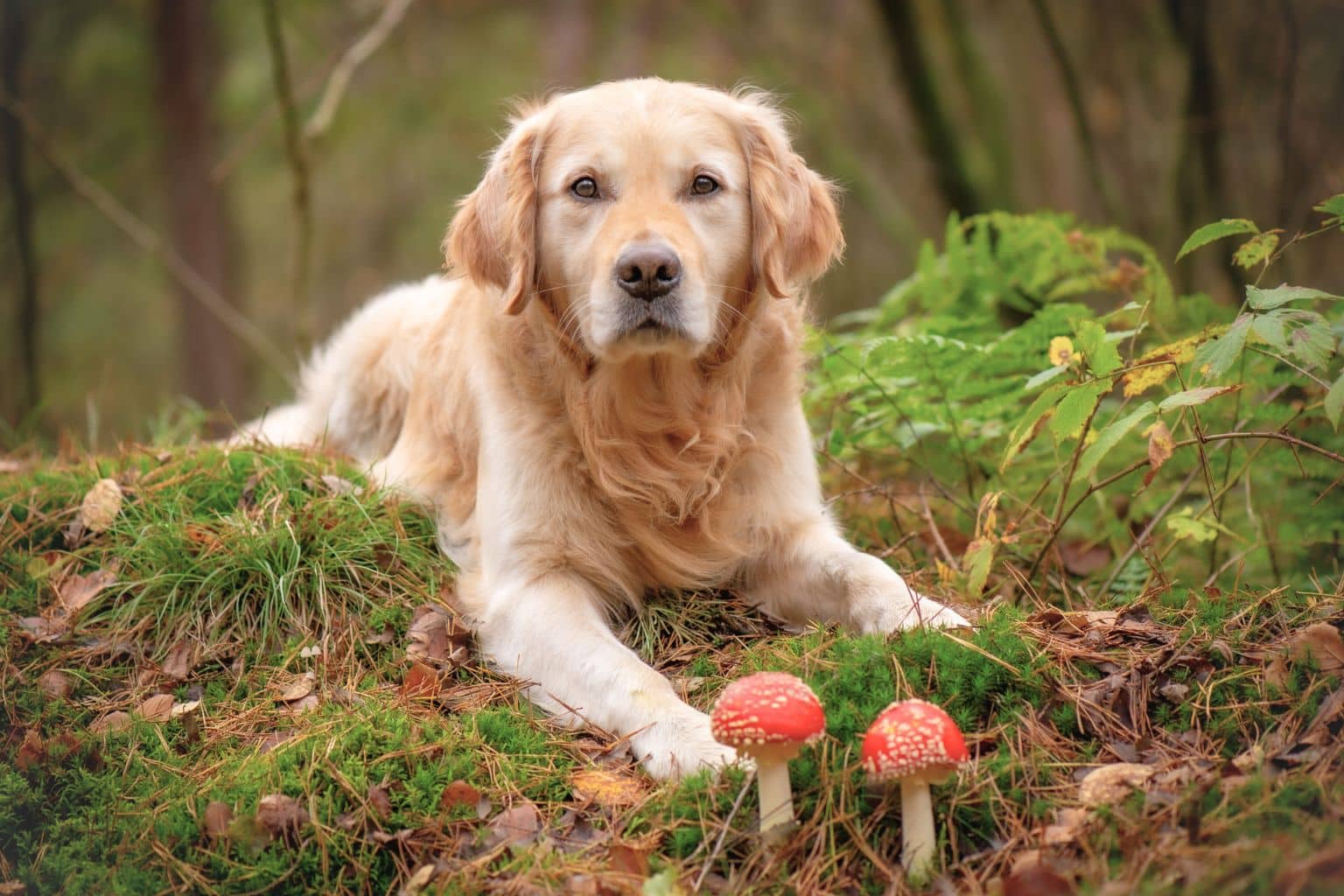
How to get rid of mushrooms in your garden (step by step)
1) Remove mushrooms manually (safe disposal)
Manual removal is the fastest cosmetic fix and reduces spore spread.
Wear gloves
Pull or scoop mushrooms from the base
Bag them and dispose of them in the bin (do not compost)
Wash hands and tools afterward
2) Improve soil drainage (the most important fix)
Excess moisture is the biggest driver of mushroom growth, so the goal is to help your soil drain and dry out faster. If your garden stays wet for days after rain, start here: poor drainage (what to do in South East London).
Try this:
- Aerate compacted soil using a garden fork or lawn aerator. This kind of lawn aeration creates small holes that let water soak in instead of sitting on the surface.
- Fix waterlogged areas by improving soil structure (compost can help clay soils, and sharp sand can help drainage in some cases)
- Water correctly: water early morning, and only when needed
If your lawn stays soggy for days after rain, it usually means drainage and compaction are the real issue. In that case, garden landscaping and design can help by improving levels, drainage routes, and the overall layout so water stops pooling in the same spots.
3) Remove organic debris (remove the food source)
Mushrooms feed on decaying organic matter, so clear it regularly:
fallen leaves
rotting wood and old mulch
thick thatch in lawns
dead roots or old stumps (if you suspect these, they can keep feeding fungus for a long time)
If you have heavy leaf build-up, rotting wood, or overgrowth, a proper garden clearance makes a big difference.
Need help stopping mushrooms from taking over your garden?
We don’t just remove visible mushrooms. We help fix the garden conditions that cause them, like poor drainage, compacted soil, excess moisture, and hidden organic debris.
Explore our services: Garden Maintenance, Garden Clearance, or Lawn Care and Mowing.
4) Reduce shade and increase airflow
Damp shade creates perfect mushroom conditions.
Small changes help a lot:
trim back overhanging branches
thin dense shrubs
improve airflow around problem areas
More sun + more airflow = soil dries faster = fewer mushrooms.
5) Should you use fungicide?
In most gardens, fungicide is not the best solution.
Mushrooms are just the visible part of the fungus. Fungicides often do not stop the underground mycelium, so mushrooms may return if the soil stays damp and full of organic debris.
Instead, focus on drainage, watering habits, and removing decaying material. That’s what actually solves it long term.
6) Maintain a healthy lawn
A healthy lawn is less likely to stay damp and compacted.
Helpful habits:
regular mowing
seasonal aeration
reduce thatch buildup
avoid overwatering
Consistent lawn care and mowing prevents thatch build-up and keeps the lawn healthier overall. If your lawn holds water or stays patchy, turfing can be worth considering after drainage is improved.
How to stop mushrooms from coming back
To prevent mushrooms long term:
- water less often and only in the morning
- aerate compacted soil
- improve drainage in soggy areas
- remove leaf litter, rotting wood, and thick thatch
- increase sunlight and airflow in shaded spots
If mushrooms come back constantly, there may be decaying wood, roots, or a buried stump underground that needs removing. Book a garden maintenance service and we’ll help identify what’s feeding the fungi.
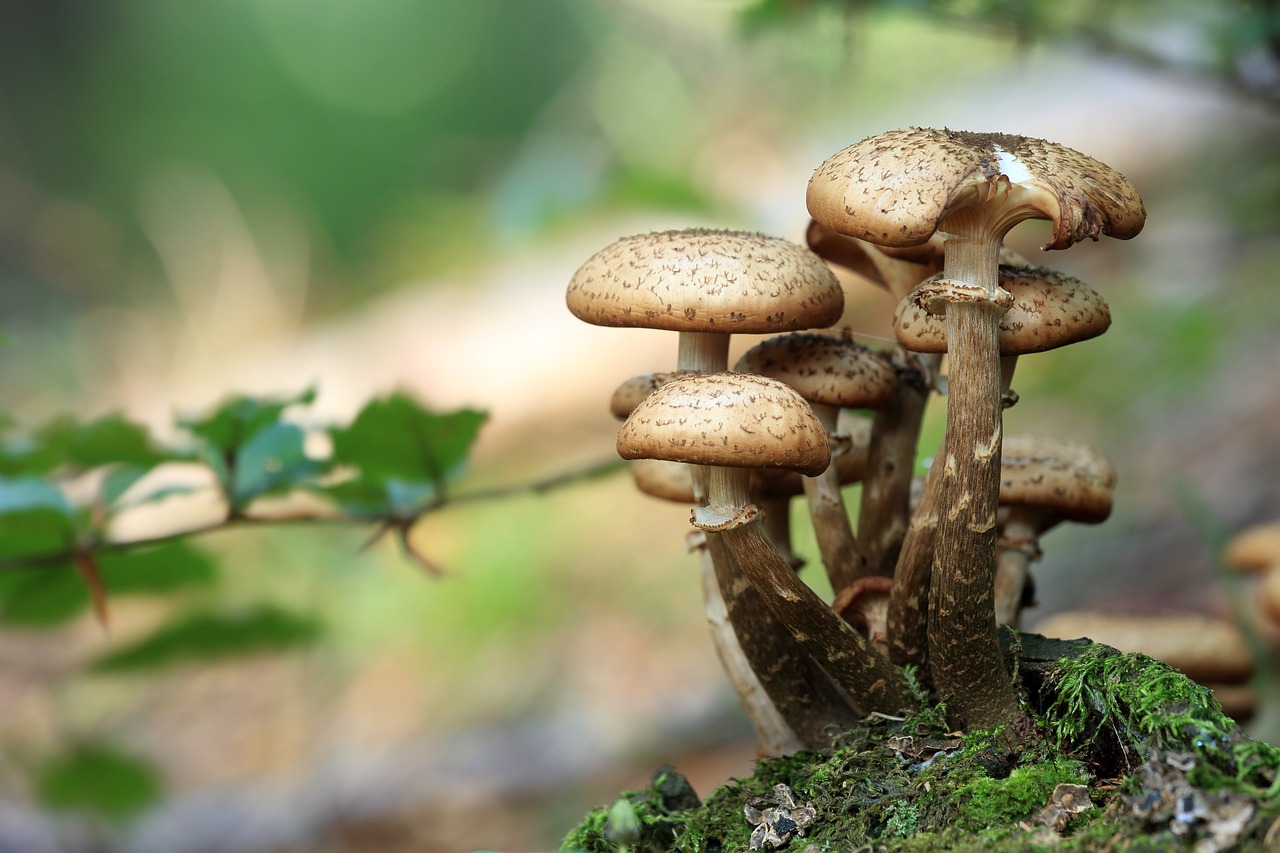
Mushrooms in the garden FAQ
Some garden mushrooms can be toxic if eaten, while others are harmless. Because it’s difficult to tell the difference, it’s safest to remove mushrooms promptly if you have pets or children and prevent access to affected areas.
Yes, mushrooms can indicate that your soil is rich in organic matter. However, frequent mushroom growth can also point to excess moisture, compacted soil, or hidden decaying material like old roots or wood.
Fungicides are usually ineffective against mushrooms because they target surface growth, not the underground fungus. Improving drainage, reducing moisture, and removing organic debris is far more effective long term.
You can safely remove mushrooms by hand to reduce spread and improve appearance. Always wear gloves, remove them before they release spores, and dispose of them in household waste rather than compost.
To prevent mushrooms returning:
Improve soil drainage and aeration
Reduce overwatering and water early in the day
Remove rotting wood, old roots, and excess thatch
Increase sunlight and airflow where possible
Addressing the underlying conditions is the key to long-term control.
If mushrooms keep returning despite removal, it may indicate drainage problems, compacted soil, or deeper organic decay. A professional gardener can assess the root cause and recommend treatments such as aeration, soil improvement, or ongoing garden maintenance.
How our gardening services can help
We don’t just remove visible mushrooms. We help fix the garden conditions that cause them, like excess moisture, compacted soil, poor drainage, heavy shade, and organic debris build-up.
- Garden maintenance to keep borders tidy, improve airflow, and reduce damp, shaded pockets
- Garden clearance to remove leaf litter, rotting wood, overgrowth, and other organic debris mushrooms feed on
- Lawn care and mowing to reduce thatch, improve lawn health, and stop soggy patches that trigger mushroom growth
- Garden landscaping and design to improve drainage, levels, and layout so water does not sit in problem areas
Want help improving your garden in South East London? Get in touch and we’ll recommend the best service for your outdoor space.
You Might Also Like
Leaning Fence Post in SE London? The Screwdriver Test Decides the Fix
Garden Waste Removal in SE London: What It Costs and Who Takes It

0 comments