

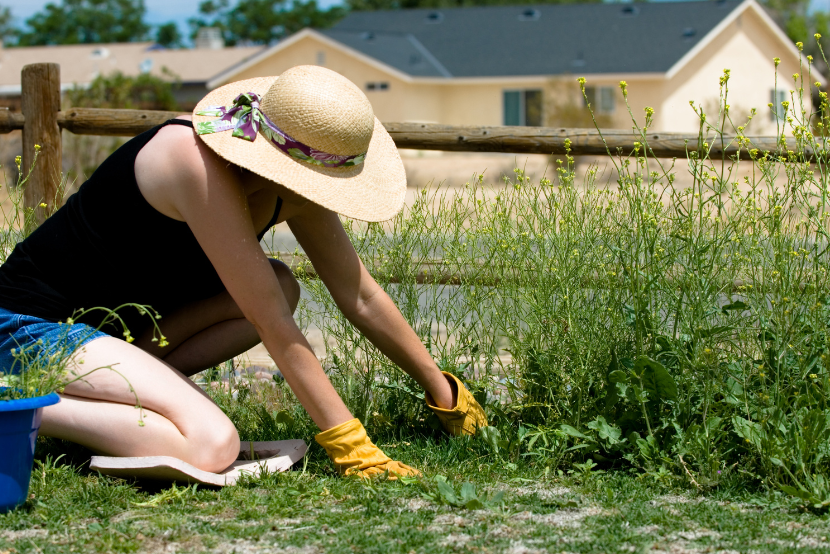
Weeds in South East London gardens are relentless. The combination of heavy clay soil that holds moisture, mild winters that never quite kill everything off, and enclosed terraced gardens where seeds blow in from neighbours means that weeds are a year-round problem, not a seasonal one. If you have cleared your borders and they are full of bindweed again two months later, the issue is usually not effort. It is method.
This guide covers what actually works for the most common weeds in SE London gardens, the DIY methods worth your time, the ones that are a waste of it, and the point where professional removal is genuinely the better option.
The quick version
- Best method for most garden weeds: hand-pull from the root when the soil is damp, then mulch to prevent regrowth
- For weeds in paving and paths: boiling water or a targeted weedkiller, not salt (salt damages soil permanently)
- For deep-rooted perennials (bindweed, couch grass, dandelions): dig out the entire root system or use a systemic weedkiller, cutting alone guarantees regrowth
- For large or neglected areas: professional garden clearance at £85/hr is faster and more thorough than a weekend of pulling
- The single most effective prevention: mulch your borders with 5-8cm of bark or compost after clearing. This suppresses 80%+ of regrowth
Why Weeds Are Worse in South East London
This is not generic advice that applies everywhere. SE London has specific conditions that make weeds more persistent than in other parts of the UK.
Heavy clay soil. Most gardens across Lewisham, Greenwich, Eltham, Bromley and surrounding areas sit on London clay. Clay retains moisture, which weeds love. It also compacts easily, making it harder to pull roots out cleanly. When you pull a weed from sandy soil, the root comes out whole. When you pull from compacted clay, the root snaps and the bottom half stays in the ground and regrows.
Mild winters. SE London rarely gets a hard, prolonged frost. Weeds that would die off completely over winter in colder parts of the UK survive through London winters and get a head start in spring. By March, they are already established while your lawn and borders are still waking up.
Enclosed gardens. Terraced houses, fenced gardens, and walls on all sides create sheltered microclimates where weeds thrive. Seeds blow in from neighbouring gardens and germinate in warm, protected spots. You can clear your garden perfectly and still see new weeds appear within weeks because the seeds are arriving from next door.
Neglected neighbouring gardens. This is an SE London reality that most guides ignore. If your neighbour's garden is overgrown, it is a constant seed source for your garden. You cannot control this, but you can manage it with barriers (mulch, ground cover, dense planting) that make it harder for incoming seeds to establish.
The Most Common Weeds in SE London Gardens (And How to Remove Each One)
Bindweed
The single most frustrating weed in South East London gardens. Bindweed has white roots that can extend over a metre deep and spread horizontally underground. Every fragment of root left in the soil will regrow into a new plant.
What works: Careful, patient digging with a fork to extract as much root as possible. Do this when the soil is damp (easier in clay). For established infestations, a systemic glyphosate-based weedkiller painted directly onto the leaves (not sprayed) is the most effective chemical option. The plant absorbs it down to the root system. This takes multiple applications over a growing season.
What does not work: Pulling the top growth. Cutting it back. Hoeing. All of these remove the visible plant and leave the root system intact. The bindweed comes back every time.
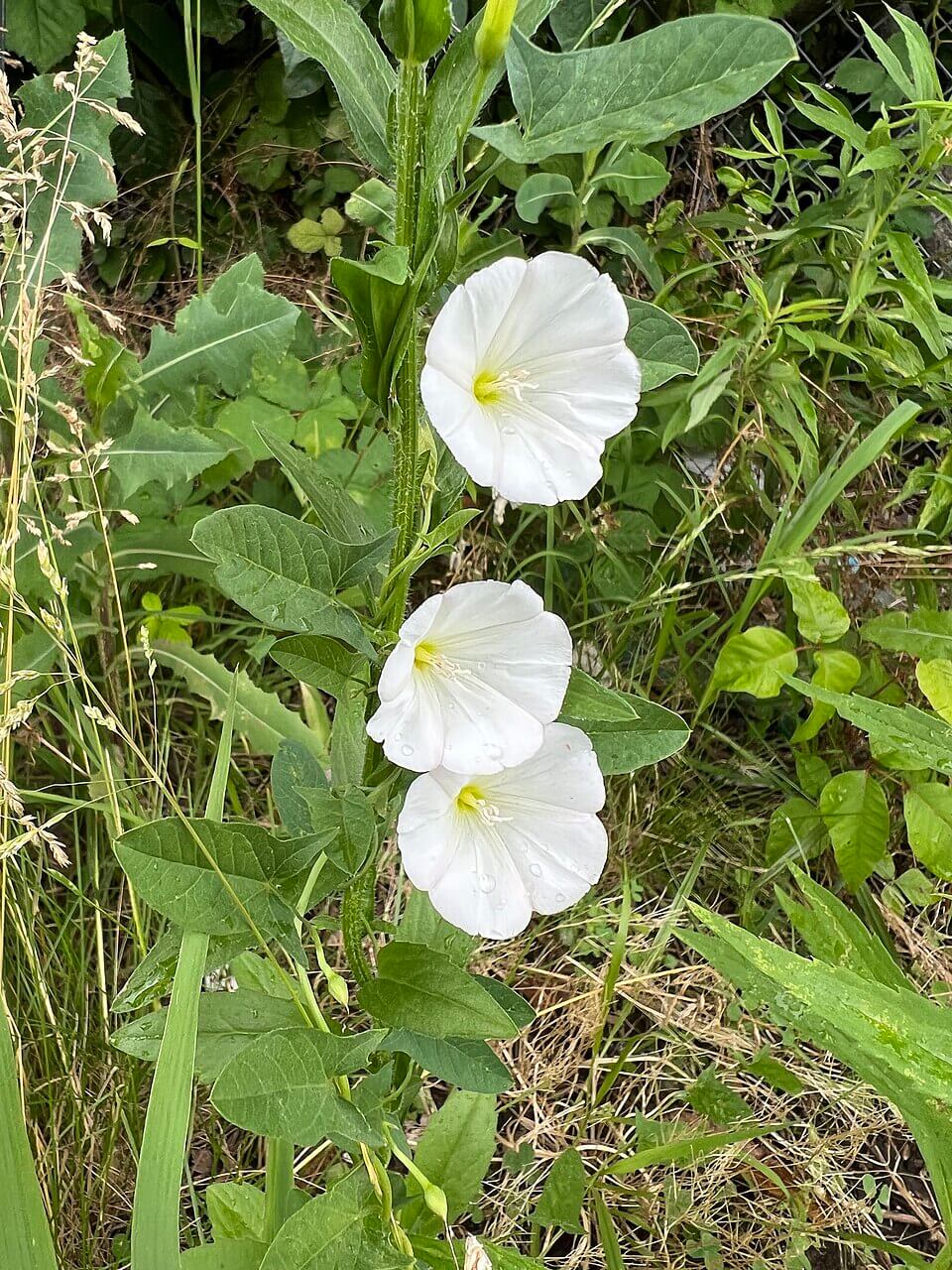
Dandelions
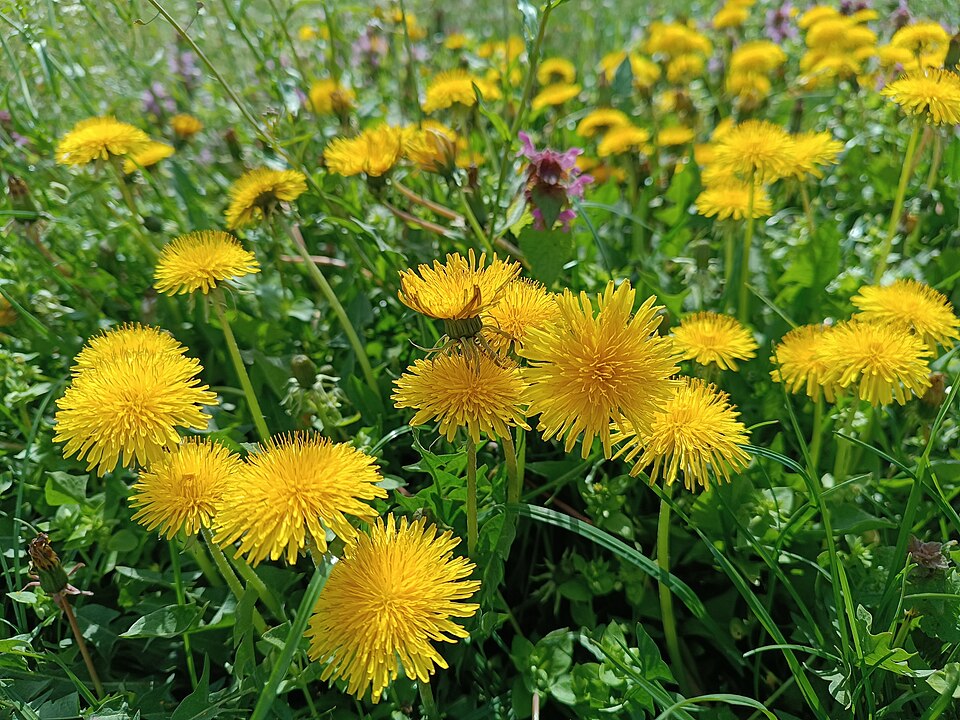
Deep taproot that snaps easily in clay soil, leaving the base to regrow. Common across lawns and borders in SE London.
What works: A daisy grubber or long-handled weed fork to lever out the entire taproot. Get at least 10cm of root out or it will regrow. In lawns, regular mowing prevents dandelions from flowering and spreading seed, which gradually reduces the population over time.
Brambles
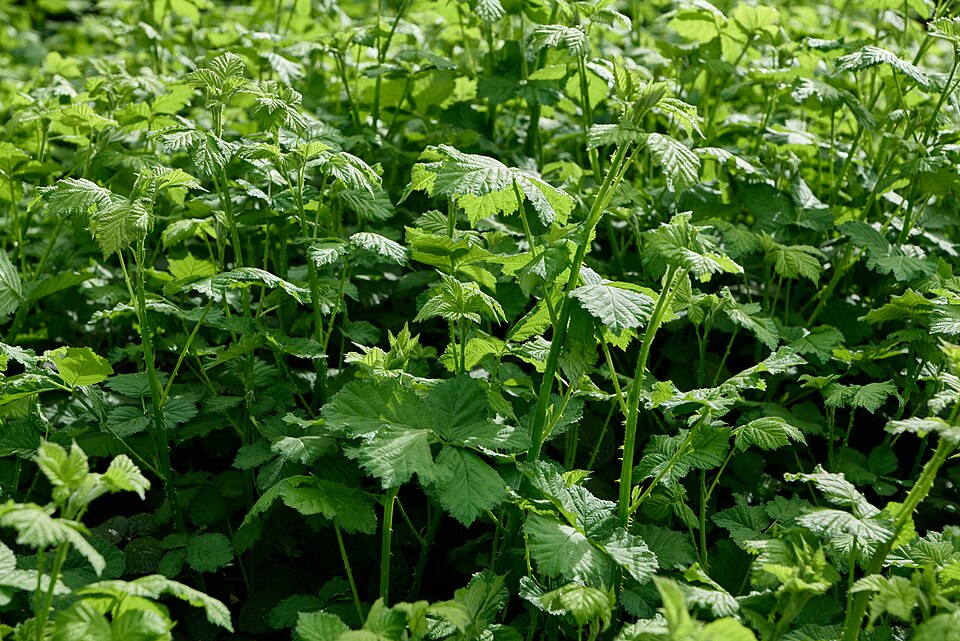
Very common in neglected SE London gardens, especially along fence lines and in corners. Brambles spread by layering (the tips of arching stems root when they touch the ground) and from seeds dropped by birds.
What works: Cut back the top growth with loppers first, then dig out the root crown (the central root mass at the base). If you leave the crown in the ground, it will reshoot. For extensive bramble, this is often faster with a professional clearance team because the volume of thorny waste is significant and the root crowns on established bramble are deep and tough.
Couch Grass
Spreads aggressively through underground stems (rhizomes) that run horizontally through the soil. Common in SE London lawns and borders where it mixes with the desired grass and gradually takes over.
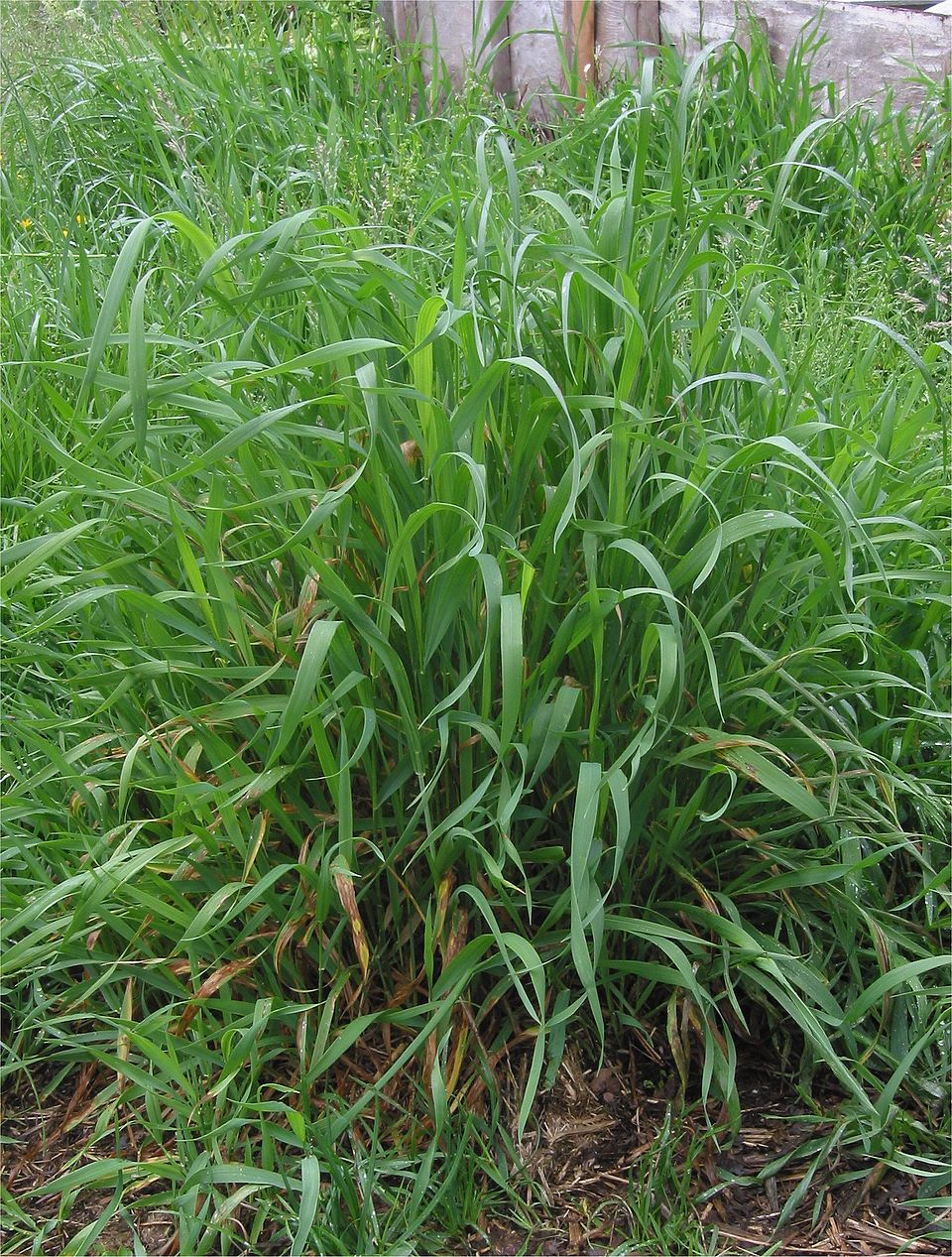
What works: In borders, dig out every piece of rhizome by hand. In lawns, there is no selective way to remove couch grass without removing the lawn itself. If the infestation is severe, the most effective approach is to kill the entire lawn with glyphosate, wait two weeks, then strip and re-turf. See our turfing service and month-by-month turfing guide for when and how.
Weeds in Paving, Paths and Patios
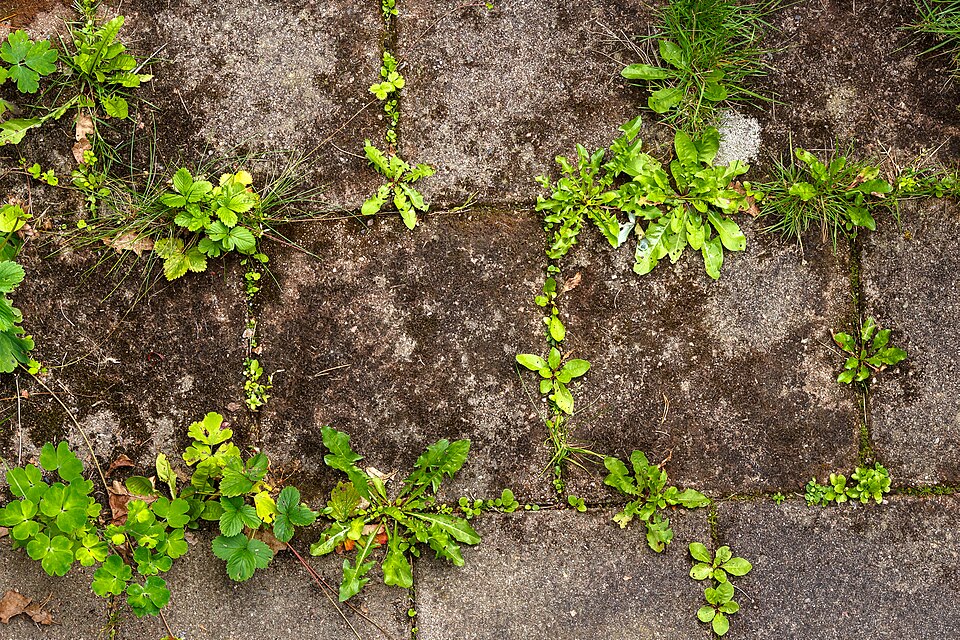
Weeds growing between paving slabs and in cracks are a constant issue across SE London, especially on older patios and block paving where the jointing has deteriorated.
What works: Boiling water poured directly onto the weed kills it without chemicals. For larger areas, a targeted weedkiller applied carefully to the cracks is more practical. Re-pointing or re-sanding the joints after killing the weeds prevents regrowth by closing the gaps seeds germinate in.
What to avoid: Salt. It kills weeds, but it also kills soil biology permanently, prevents anything from ever growing in that area again, and can leach into adjacent borders and damage plants you want to keep. Do not use it anywhere near planting areas.
If your patio has a serious weed and moss problem, a professional patio clean at £4/m2 removes everything (weeds, moss, algae, black spot) in one visit and leaves the surface looking new.
DIY Weed Removal Methods: What Is Worth Your Time
Hand weeding (best for small areas and borders)
The most effective method for most garden weeds when done correctly. Pull from the root, not just the top. Do it when the soil is damp, which makes root extraction much easier, especially in SE London's heavy clay. A hand fork, daisy grubber, or long-handled weed fork makes a significant difference compared to pulling by hand alone.
Mulching (the best prevention method)
After clearing weeds, apply 5-8cm of bark mulch, wood chip, or well-rotted compost over the soil surface. Mulch suppresses regrowth by blocking light from reaching weed seeds in the soil. It also retains moisture, regulates soil temperature, and improves soil structure as it breaks down. On SE London clay, mulch is particularly valuable because it gradually improves the heavy soil over time.
Mulch needs topping up annually as it decomposes. This is something we handle as part of regular garden maintenance visits.
Hoeing (best for annual weeds on dry days)
A hoe slices through annual weed seedlings just below the surface. It works well on a dry, sunny day because the cut weeds dry out and die on the surface. It does not work on perennial weeds with deep roots (bindweed, dandelions, couch grass) because the roots survive and regrow.
Weedkiller (use carefully and as a last resort)
Glyphosate-based systemic weedkillers (like Roundup) are effective on persistent perennials when other methods have failed. They are absorbed through the leaves and kill the root system. Use them by painting onto individual weed leaves rather than spraying, which reduces drift onto plants you want to keep. They are non-selective, meaning they kill any plant they touch. Follow the product instructions and keep pets and children off treated areas until dry.
Methods that waste your time
Vinegar and dish soap. Often recommended online. It burns the leaves but does not reach the roots. The weed browns off for a week and grows back. On perennial weeds it is completely ineffective.
Salt. Kills weeds but also kills the soil. Permanent damage to any area you want to plant in later. Never use it in borders, lawns, or anywhere near desirable plants.
Boiling water on borders. Works on paving cracks but damages soil biology and nearby plant roots when used in planting areas.
Best Time of Year to Tackle Weeds in South East London
Most people think spring is the time to deal with weeds because that is when they notice them. Spring weeding is fine for annual seedlings, but for the stubborn perennials (bindweed, dandelions, couch grass, brambles) that cause the real problems, autumn is actually the better season.
Why autumn works better for perennial weeds: In September and October, perennial plants are drawing energy downward from their leaves into their root systems to prepare for winter. If you apply a systemic weedkiller during this period, the plant actively pulls it down into the roots for you, making it far more effective than a spring application when the plant is pushing energy upward into new growth. The soil is also damp after summer, which makes root extraction from SE London clay significantly easier than fighting dry, compacted clay in July.
Spring (March to May): Best for catching annual weed seedlings early before they flower and set seed. Hoe or hand-pull on a dry day. Mulch any cleared areas immediately.
Summer (June to August): Weeds grow fastest but the clay is at its hardest and driest, making root extraction difficult. Focus on preventing seed-setting by cutting flower heads before they mature. Water the area the day before you plan to weed if possible, to soften the clay.
Autumn (September to October): Best for tackling established perennials with deep roots. Systemic weedkiller is most effective now. Soil is workable. Also the best time to mulch cleared borders before winter.
Winter (November to February): Most weeds are dormant. Use this time for structural prevention: fixing paving joints, edging borders, adding mulch. Any weeds you see growing through winter in SE London are the hardiest perennials and worth removing now while competition from other plants is low.
When to Call a Professional
DIY weed control works well for small areas, regular maintenance, and annual weeds. Call a professional when:
- The weeds have taken over a large area and pulling them individually would take multiple weekends
- Bindweed, brambles, or ivy have established deep root systems that keep regrowing after DIY removal
- You need the garden cleared and ready for a landscaping project, turfing, or a property sale
- The weeds are growing through fencing, decking, or paving and causing structural damage
- You have tried clearing them yourself and they have come back every time because the roots were not fully removed
What it costs: Our garden maintenance service, which includes weed removal as standard, costs £83 for the first hour and £65 for each subsequent hour (2-person team, all tools included). For heavily overgrown gardens that need more than maintenance, our garden clearance service costs £85/hour and includes full weed removal, root extraction, and green waste disposal. See our complete gardener cost guide for South East London for a full breakdown.
If you are dealing with a garden that has gone past a DIY tidy-up, our step-by-step DIY garden clearance guide walks you through the right approach and where the line is between doing it yourself and calling in help.
How to Stop Weeds Coming Back
Removing weeds is half the job. Preventing regrowth is the other half, and it is the part most people skip.
Mulch every cleared area. This is the single most effective prevention method. 5-8cm of bark or compost blocks light from weed seeds in the soil. Top up annually.
Plant densely. Bare soil grows weeds. Dense planting shades the soil and leaves less room for weeds to establish. Ground cover plants are particularly effective because they form a living mat that smothers weed seedlings. Good options for SE London conditions:
- Sunny borders: creeping thyme, geraniums (hardy cranesbill), lavender, sedum. All low-growing, spread well, and tolerate the dry spells that SE London gets in summer.
- Shady borders (common in terraced gardens): heuchera, ajuga (bugle), vinca (periwinkle), epimedium. All thrive in the partial shade that fences and buildings create in smaller SE London gardens and form dense ground cover that weeds struggle to push through.
- Under trees and hedges: ivy (controlled), pachysandra, cyclamen. These tolerate dry shade, which is the toughest condition and the one where bare soil is most likely to fill with weeds if left uncovered.
The key is leaving no bare soil visible. Every gap is an invitation for a weed seed to germinate.
Maintain regularly. A garden that gets attention every 2-4 weeks never reaches the point where weeds take over. Catching them young (when they are seedlings with shallow roots) is trivially easy compared to fighting established perennials. Regular garden maintenance keeps weed pressure permanently low.
Fix the edges. Weeds often creep in from lawn edges, fence lines, and paving joints. Clean edging, well-pointed paving, and a maintained border strip along fence lines block the most common entry points.
How to Get a Quote
If your garden needs professional weed removal, clearance, or ongoing maintenance to keep weeds under control, send us a few photos through the contact page with your postcode. We will reply within 24 hours with an honest estimate.
We cover all South East London postcodes including Lewisham, Greenwich, Eltham, Bromley, Blackheath, Catford, Woolwich, Sidcup, and all surrounding Bexley and Dartford postcodes.
Call 07760800457 (Mon-Sat 9am-6pm) or send your photos and details here. We reply within 24 hours.
About Urban Gardeners
Urban Gardeners is a local gardening and landscaping company based in Eltham SE9, serving South East London since 2016. We are a small, fully insured team that works directly with homeowners, landlords and letting agents across all SE London postcodes plus Bromley, Bexley and Dartford.
We hold a Gardening and Landscape Design Business Diploma and Certificate, and we have completed thousands of jobs across the area, from quick garden tidy-ups to full garden transformations. We currently have 111+ verified Google reviews at a 4.5+ rating.
If you want to see what our work actually looks like, browse our completed project portfolio or read more on our about page.
Frequently Asked Questions
If the roots are properly removed and the area is mulched, regrowth is minimal. Some perennial weeds (particularly bindweed) may need follow-up treatment if fragments of root remain deep in the soil. We will tell you upfront if a follow-up visit is likely to be needed.
Pulling is better for most garden weeds because it removes the root entirely. Spraying (with a systemic weedkiller) is more effective for deep-rooted perennials like bindweed where complete root removal by hand is impractical. In borders with desirable plants, pulling is safer because spray can drift onto plants you want to keep.
Almost always because the roots were not fully removed. Perennial weeds like bindweed, dandelions and couch grass regrow from any root fragment left in the soil. The other common reason is bare soil: if you clear weeds but do not mulch or plant the area, new weed seeds germinate within weeks.
Only on hard surfaces like paving or gravel paths where you never want anything to grow. Salt kills weeds but also sterilises the soil permanently, prevents future planting, and can leach into adjacent borders and damage plants you want to keep. In planting areas, it causes more harm than the weeds did.
Weed removal is included in our standard garden maintenance service at £83 for the first hour and £65 for each subsequent hour. For heavily overgrown gardens that need full clearance, the rate is £85/hour. Both include a 2-person team with all tools. Most gardens with a weed problem take 2-4 hours to bring back to a clean state.
Posts You Might Like
How to Successfully Remove Ivy from Your Garden in South East London

How to Easily Get Rid of Mushrooms in Your Garden (And Stop Them Coming Back)
Mushrooms can be annoying in your outdoor space. They often appear overnight,
Best Tips To Get Rid of Unwanted Plants in Your Garden
Weeds in South East London gardens are relentless. The combination of heavy

0 comments