

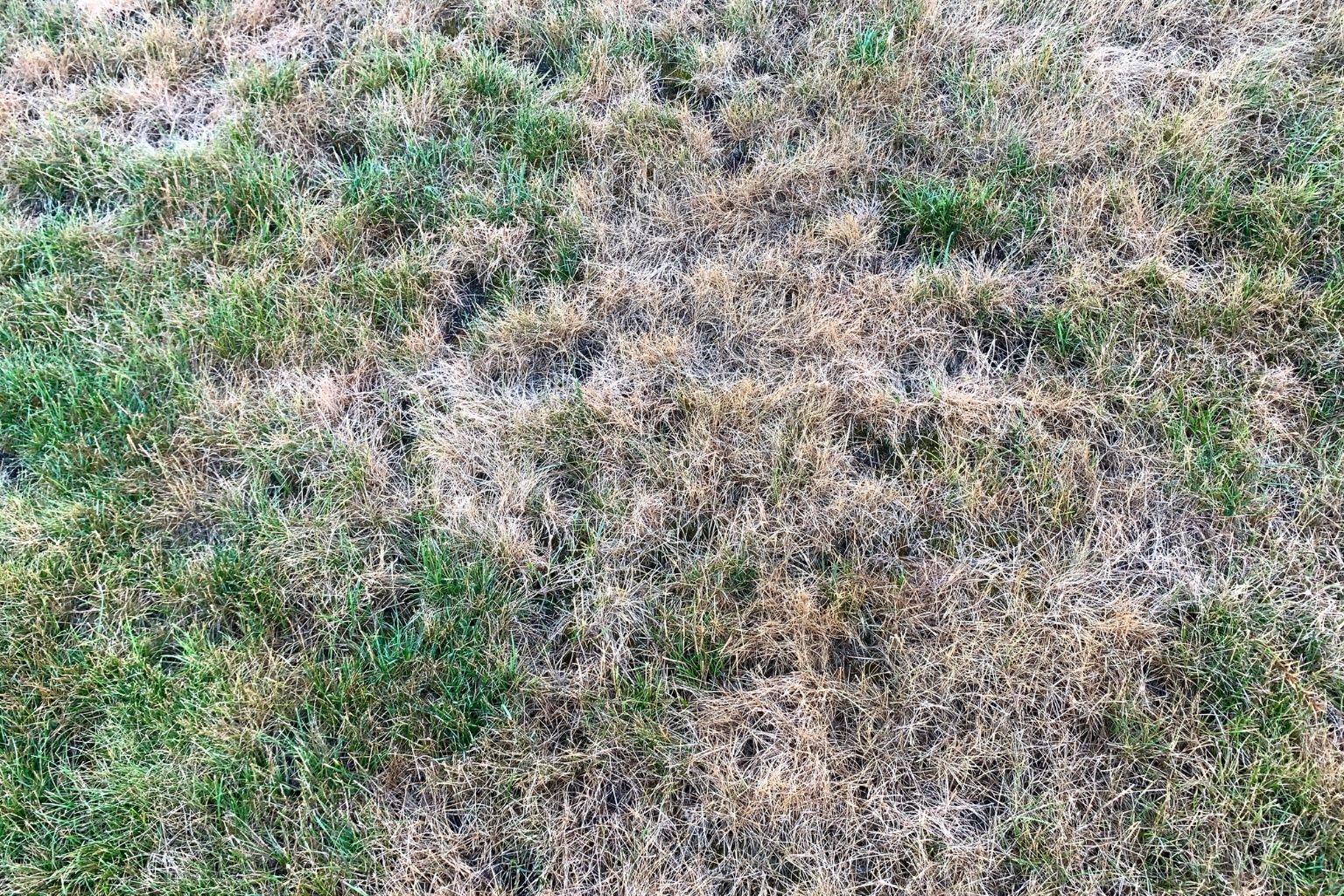
The short version: most brown lawns in a dry summer are dormant, not dead, and will green back up within a few weeks of proper rain returning. Two quick tests, the tug test and the crown check, tell you which one you are dealing with before you spend a penny.
It happens every dry summer. You look out at the garden and the lawn that was green in May is now the colour of straw, crunchy underfoot, and patchy in places. With the hosepipe ban on, you cannot exactly soak it back to life, and the worry creeps in: have I lost the whole lawn?
Probably not. Grass is far tougher than it looks, and browning is usually its survival mechanism, not its death. Here is how to tell the difference, what to do about it, and the point at which starting again really is the better option.
Why your lawn went brown
When grass runs short of water, it does something clever. It stops putting energy into the green blades on top and pulls everything back to protect the crown and roots below the surface. The blades brown off and the lawn looks dead, but underground the plant is still alive and simply waiting. This is dormancy, and it is completely normal for a British lawn in a hot, dry spell. The RHS guidance on lawns in drought takes the same view: brown grass in summer is usually a survival response rather than a death sentence.
Most South East London lawns sit on London clay, which makes this worse than it needs to be. Clay bakes hard and cracks in summer, so even the rain that does fall runs off rather than soaking in. That is why lawns in Lewisham, Catford, Eltham and the surrounding terraces can look scorched while the soil a few inches down is bone dry. If your lawn also sits wet and boggy every winter, that is the same clay problem showing up from the other direction, and we have covered it in our post on poor drainage in South East London gardens.
Test one: the tug test
This is the fastest check and it takes ten seconds. Grab a small handful of the brown grass and give it a gentle but firm tug.
- If the grass resists and stays rooted, the plant is alive. It is dormant, not dead. This is the result you want, and it is the most common one.
- If the grass lifts away easily with no resistance, like pulling hair from a wig, the roots have gone in that patch.
Try it in a few different spots. Lawns rarely die evenly, so you often find the plant is alive across most of the lawn with a few genuinely dead patches near paths, edges, or the sunniest corner.
One important caveat. Easy lift does not automatically mean drought killed it. If the turf peels back in sheets like a loose carpet, the most likely cause is not the weather at all but grubs eating the roots from below. Pull back a lifting patch and look at the top inch of soil. Fat white C-shaped grubs mean chafer grubs. Grey-brown legless larvae mean leatherjackets. Either way the fix is pest treatment first, because new turf laid over an active infestation will be eaten too. The other tell is wildlife: if birds, foxes or badgers have been tearing at the lawn overnight, they are digging for the grubs, not reacting to the dry weather.
Test two: the crown check
The crown is the base of the grass plant, right at soil level, where the blades meet the roots. Part the brown blades with your fingers and look down at the very bottom of the plant.
- If you can see any pale green or whitish, firm growing points at the crown, the plant is alive and ready to regrow once conditions improve.
- If the crown is brown, dry, and brittle all the way down, that plant has died.
Between the tug test and the crown check, you can map your lawn in a few minutes: mostly alive, mostly dead, or the usual mix of the two.
Brown, but not from drought: the other usual suspects
Before you conclude it is the dry weather, it is worth ruling out the other things that turn a lawn brown at this time of year. They look similar at a glance and each needs a different response.
- Chafer grubs and leatherjackets. Turf lifts in loose sheets, birds and foxes tear at the lawn overnight, and you find grubs in the top inch of soil. Needs treating before any re-turfing, or the new lawn goes the same way.
- Red thread. Patches with a pinkish or reddish tinge, often in damp, mild spells rather than drought. It looks alarming but rarely kills the grass, and usually clears up on its own once conditions and feeding improve.
- Dry patch fungus. Water beads on the surface and runs off instead of soaking in, even where you have watered. The soil has become water-repellent. Needs a wetting agent and aeration rather than more water.
- Dog urine. Small, sharply defined dead circles, often ringed with unusually lush dark green grass at the edge. Nothing to do with drought, and the pattern gives it away.
- Scalping. Straw-coloured patches on high points and slopes where the mower has cut into the crowns. If the browning follows the shape of your mowing lines or the humps in the lawn, this is the cause.
Genuine drought browning is usually even across the whole lawn, worst on the sunniest side, and shows the crunchy-but-rooted result on the tug test. Anything patchy, sharply defined, oddly coloured, or lifting in sheets is more likely one of the above.
Dead or dormant: the signs side by side
Here is the quick reference. Check your lawn against each sign and see which column it mostly falls into.
| Sign | Dormant (alive) | Dead |
|---|---|---|
| Tug test | Grass resists, stays rooted | Grass lifts away easily, no resistance |
| Crown at soil level | Pale green or firm and whitish | Brown, dry and brittle all the way down |
| Pattern across the lawn | Fairly even browning over the whole area | Distinct dead patches, often near edges, paths or the sunniest corner |
| Feel underfoot | Crunchy but the base of the plant still has some give | Completely dry and crisp to the soil |
| Response to rain | Greens up within a few weeks | Stays brown, no new growth after rain returns |
| If turf lifts in sheets | Not drought. Check for grubs in the top inch of soil | Not drought. Check for grubs in the top inch of soil |
Most lawns land firmly in the dormant column. A mix of the two is also common, and usually means the lawn is alive overall with a few genuinely dead patches to sort in autumn.
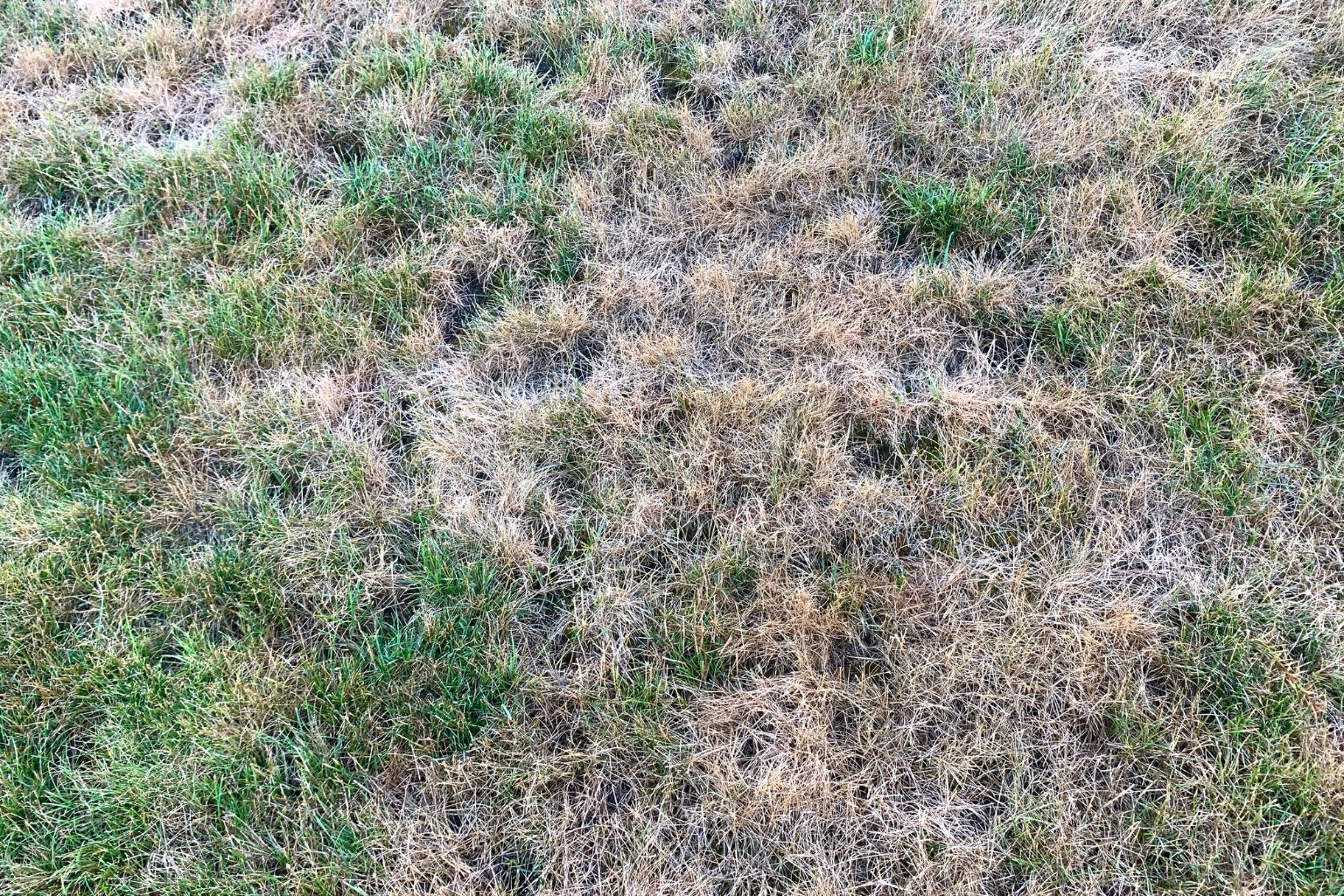
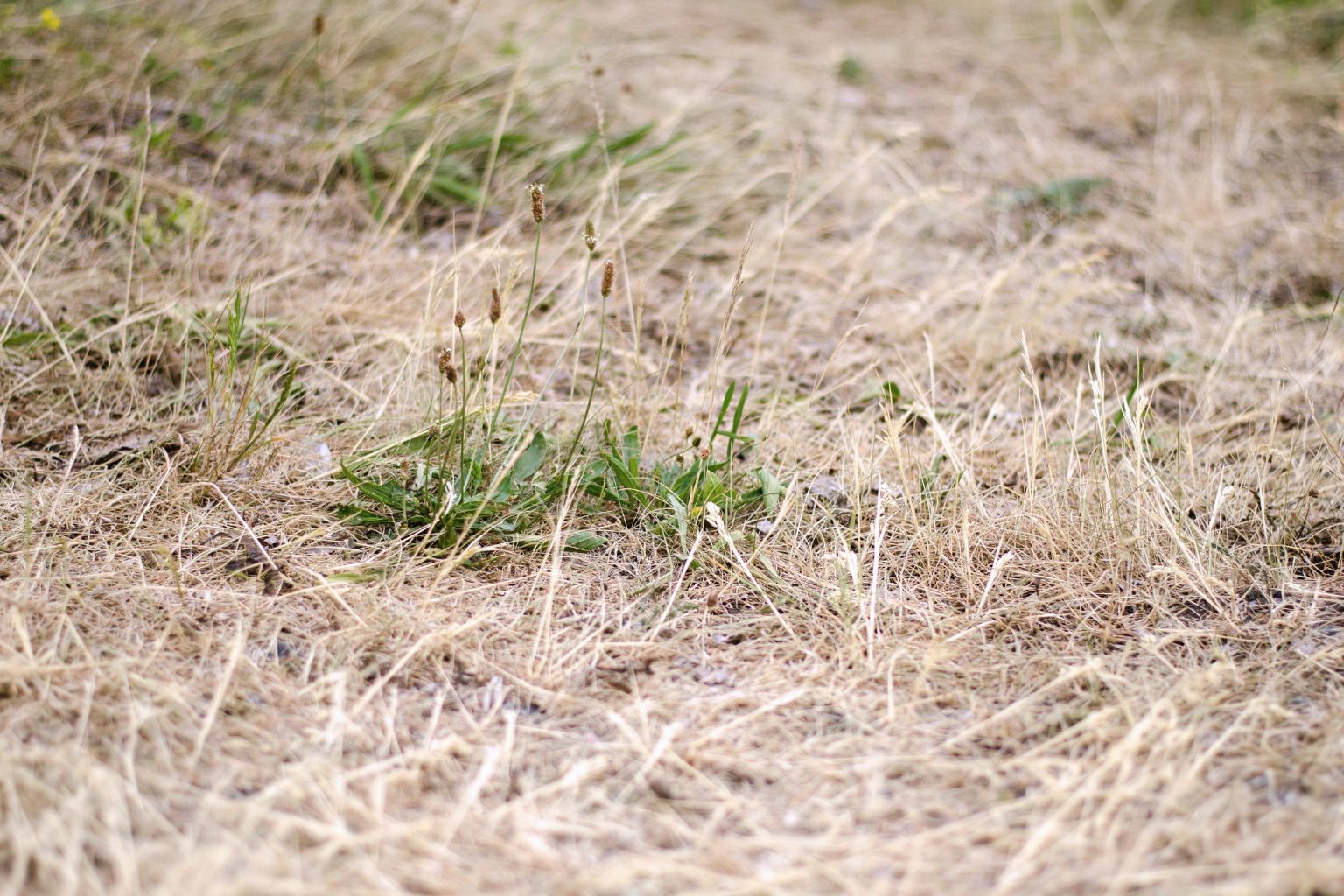
Did the tests give you a clear answer?
Send us a few photos of your lawn and we will tell you honestly whether it is dormant, dead, or something else entirely. Free, no obligation, and if the answer is "leave it alone" that is exactly what we will say.
Explore our services: Garden Maintenance, Garden Clearance, or Garden Fencing.
How long can a dormant lawn survive?
Longer than most people expect. The common lawn grasses in the UK, ryegrass and fescue, can typically survive several weeks of dormancy and still bounce back. In a normal British summer the dry spell breaks long before that limit is reached.
So a lawn that has been brown for two or three weeks is almost always fine. It is only prolonged, severe drought, many weeks with no meaningful rain and no water reaching the roots, that starts to tip dormant grass into genuinely dead grass. Even then it is usually the weakest patches that go first, not the whole lawn.
What NOT to do right now
This is the part that saves lawns, because the instinct to "help" often does more harm than the drought itself. While your lawn is brown and stressed:
- Do not walk on it more than you need to. Foot traffic on dry, dormant grass does more lasting damage than the dryness itself, because the brittle crowns snap under weight rather than springing back. Keep paddling pools, trampolines and garden furniture off the grass until it recovers.
- Do not fertilise it. Feeding a dormant lawn forces growth the plant cannot support without water and can scorch the roots. Wait until it is actively growing again.
- Do not cut it short. Scalping a stressed lawn removes what little shade the blades give the soil and sets it back badly. If you mow at all, raise the blades high and take off only the very tips.
- Do not scarify or aerate. Both are useful jobs, but on a dormant lawn they tear at plants that have no capacity to recover. These are autumn jobs, once the grass is growing again.
- Do not water a little every day. Light daily sprinkles (where allowed, by watering can) encourage shallow roots and do more harm than good. A good soak once, if the rules and your water butt allow, beats frequent dribbles.
- Do not panic and dig it up. A dormant lawn that looks dead in August is often green again by October. Give it the chance before you write it off.
What you can do while the hosepipe ban is on
With the Thames Water hosepipe ban in force, you cannot bring a hose to an established lawn, and honestly, you do not need to. The best thing you can do for a dormant lawn is leave it alone and let it ride out the dry spell.
If you want to do something useful, you can give it a gentle soak with a watering can or water saved in a water butt, focusing on the patches you most want to keep, done in the cool of the early morning or evening so less evaporates. But this is optional. A healthy dormant lawn does not require it. The rules on what is and is not allowed during the ban are set out in our guide to gardening during the hosepipe ban.
The autumn recovery window
Autumn is when a tired lawn comes back to life, and it is the right time to act on anything the drought exposed. Once the rain returns and temperatures ease, a dormant lawn will green up on its own over a few weeks with no intervention needed.
For the genuinely dead patches you found during the tests, early autumn is the ideal time to sort them out, because the soil is still warm but rainfall is more reliable, so new grass establishes with far less effort than in summer. Depending on how much of the lawn is affected, that might mean reseeding the bare patches yourself, or having the worst areas re-turfed for an instant result. For the wider picture on timing, our month-by-month turf laying guide for South East London breaks it down.
Autumn is also when scarifying, aerating and overseeding are worth doing, all of the jobs you should be avoiding right now. If you would rather not do it yourself, it is a standard part of our garden maintenance work through September and October, and it books up quickly once the weather turns.
When the lawn is genuinely gone: re-turfing
Sometimes the tests give a clear verdict: the grass pulls up easily across most of the lawn and the crowns are brown and brittle. If the majority of the lawn is dead, patching will not give you an even result, and a full re-turf is the honest answer. You get a proper lawn back in a single day rather than nursing bare soil through months of uncertain seeding.
Before you commit, check for grubs one more time. Re-turfing over an active chafer or leatherjacket infestation is money straight down the drain, because the new roots will be eaten exactly like the old ones. It is one of the first things we check on a survey.
There is a timing bonus during the hosepipe ban, too. Turf laid professionally qualifies for a 28-day hosepipe watering exemption from the day it goes down, which is exactly the window a new lawn needs to establish. A lawn you lay yourself does not get that exemption. We explain how that works in our post on laying new turf during the ban, and you can read about how we work on our professional turfing service page or see typical costs in our turfing cost guide and prices page.
You can also see before and after photos of lawns we have replaced in our project portfolio.
Getting ahead of next summer
The lawns that sail through a drought are the ones with deeper roots and less compacted soil underneath. You cannot fix that in the middle of a dry spell, but there is plenty you can do once the grass is growing again.
- Mow higher through the season. Longer blades shade the soil and encourage deeper roots. On heavy SE London clay this one change makes a real difference year to year.
- Aerate in autumn. Relieving compaction lets water reach the roots instead of running off the surface, which is the core problem with clay.
- Overseed with a drought-tolerant mix. Fescue-heavy mixes cope with dry spells far better than pure ryegrass.
- Top dress with compost or sandy loam. Improves the structure of clay over a few seasons and helps it hold moisture without waterlogging.
- Get a water butt in. Free, ban-proof water for next summer, and it costs nothing to run.
If your lawn struggles every single summer regardless of what you do, it may be worth asking whether a lawn is the right surface for that space at all. Deep shade, heavy compaction and constant foot traffic beat most lawns eventually. Our guide on natural versus artificial grass sets out the honest trade-offs, and there is a full cost breakdown in our artificial grass price guide.
Frequently asked questions
No. Feeding a dormant, drought-stressed lawn forces growth the plant cannot support without water and can scorch the roots. Wait until the lawn is actively growing again after rain returns before feeding.
Mostly, yes. A dormant lawn is barely growing, so it does not need cutting, and mowing adds stress. If you do mow, raise the blades high and take off only the tips. Never scalp a stressed lawn, as short cutting removes the shade the blades give the soil and sets the lawn back badly.
Not with a hosepipe or sprinkler, if it is an established lawn. You can use a watering can or water from a water butt, which are both outside the ban entirely. A healthy dormant lawn does not really need it, so save the effort for containers and new planting.
Usually two to four weeks of normal rainfall and cooler temperatures. Recovery starts from the crown and works outwards, so expect a patchy, uneven green before it evens out. If a patch is still bare six weeks after proper rain, that patch is genuinely dead and needs overseeding or re-turfing.
Early autumn, roughly September into October, is the best window. The soil is still warm from summer but rainfall is more reliable, so new grass establishes with far less watering than a summer sowing would need. Wait for the dry spell to break before you start.
If the lawn is genuinely gone, re-turfing gives you a finished lawn in a day. Natural turf in South East London is installed from around £15 to £28 per square metre depending on size and ground preparation. Full figures are in our turfing cost guide. If your lawn is only dormant, it costs nothing but patience.
No. Turf laid straight over dead grass will not root properly and usually fails. The old lawn needs stripping and the ground preparing first, which is part of what a professional turfing job includes. It is one of the main reasons turf laid over unprepared ground so often disappoints.
This guide offers general advice for South East London lawns. Hosepipe ban rules can change and vary by water company, so always confirm the current rules for your address with your supplier.
Posts You Might Like
How Much Does Hedge Trimming Cost in South East London? (2026 Price Guide)
If your hedges have gone from "neat boundary" to "the neighbours can't
End of Tenancy Garden Clearance in South East London: What Landlords Need to Know (2026 Cost Guide)

How Much Does Garden Maintenance Cost in South East London? (2026 Price Guide)

Tree & Hedge Pruning South East London
Preparing your garden for winter is not about cosmetics. It’s about strategy,
Communal Garden Maintenance in South East London: Who Pays and What It Costs

The Importance of Well-Shaped and Trimmed Hedges and Bushes
In the world of gardening, the beauty of a landscape is often

Garden Tidy Up in South East London: 7 Things We Do (And What It Costs)
Your garden should feel like a place to breathe. A tidy outdoor

0 comments